November 16, 2026
Trees growing near utility lines can create serious safety concerns for homeowners, especially when branches extend toward electrical infrastructure or become unstable during severe weather. Properly assessing these hazards requires an understanding of tree conditions, utility line locations, and the precautions necessary to prevent accidental damage. Professional tree removal services help property owners address these concerns while maintaining safe distances from overhead infrastructure. Evaluating utility line clearance before beginning any tree work is an important step in protecting people, property, and essential services.
Understanding the Risks of Trees Near Utility Lines
Trees and utility lines can coexist safely when vegetation is properly maintained. However, branches that grow too close to overhead power lines may create hazardous conditions, particularly during storms or periods of strong winds. Contact between trees and energized electrical conductors can cause power outages, fires, and potentially fatal electrical injuries.
Even branches that do not directly touch power lines can present risks. Wind can cause limbs to sway into electrical infrastructure, while accumulated snow and ice may increase their weight, causing them to break. Dead, diseased, or structurally compromised trees near utility corridors can also fall unexpectedly, damaging electrical equipment or interrupting service.
Property owners should pay attention to several warning signs, including:
- Branches growing directly toward overhead electrical conductors.
- Dead limbs hanging above utility lines or nearby structures.
- Trees leaning toward power poles or electrical infrastructure.
- Cracked trunks or damaged root systems that affect tree stability.
- Vegetation growing excessively close to utility access areas.
Recognizing these conditions early allows property owners to arrange appropriate inspections and determine whether professional intervention is necessary.
Evaluating Tree Conditions and Potential Hazards
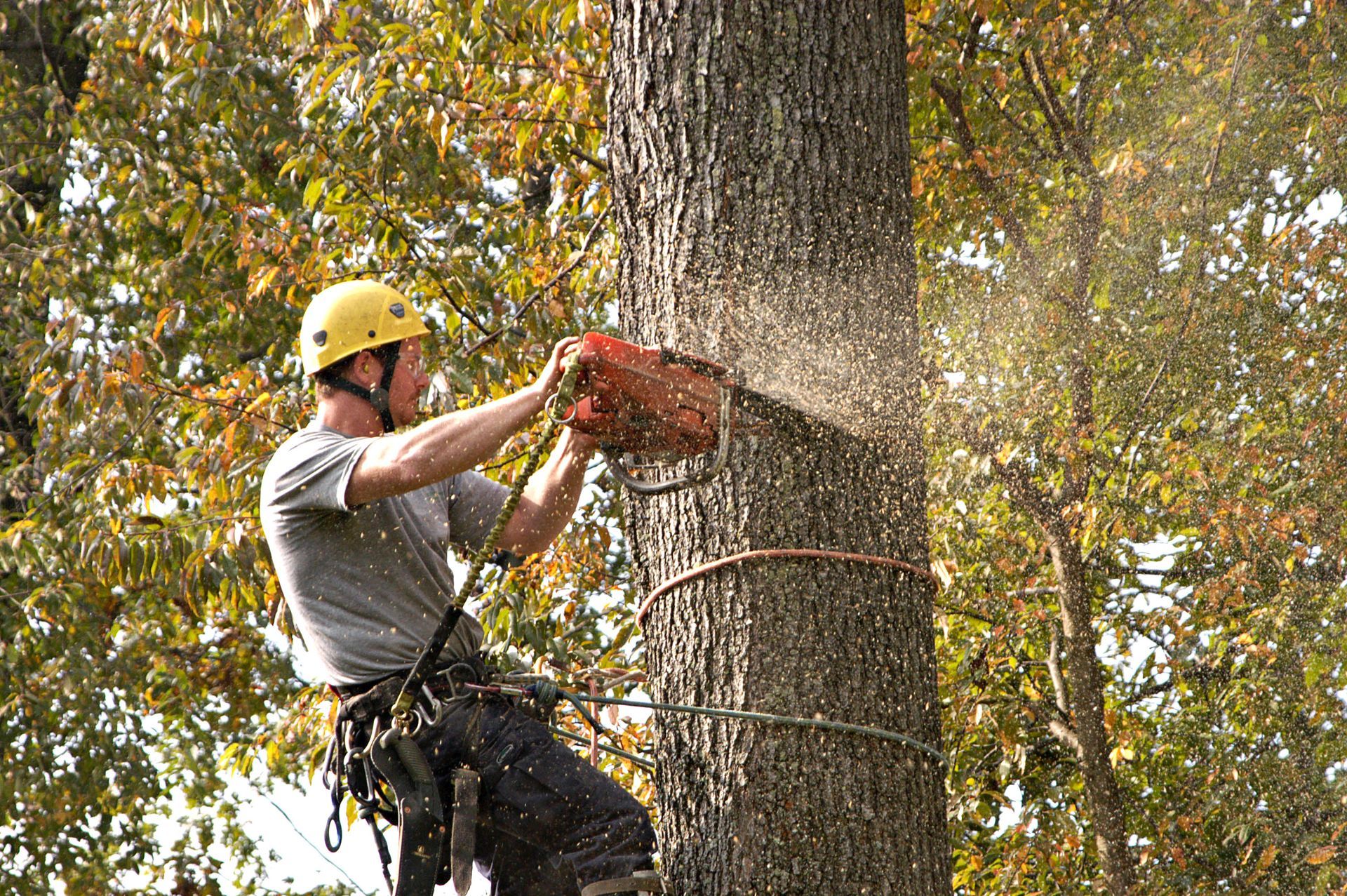
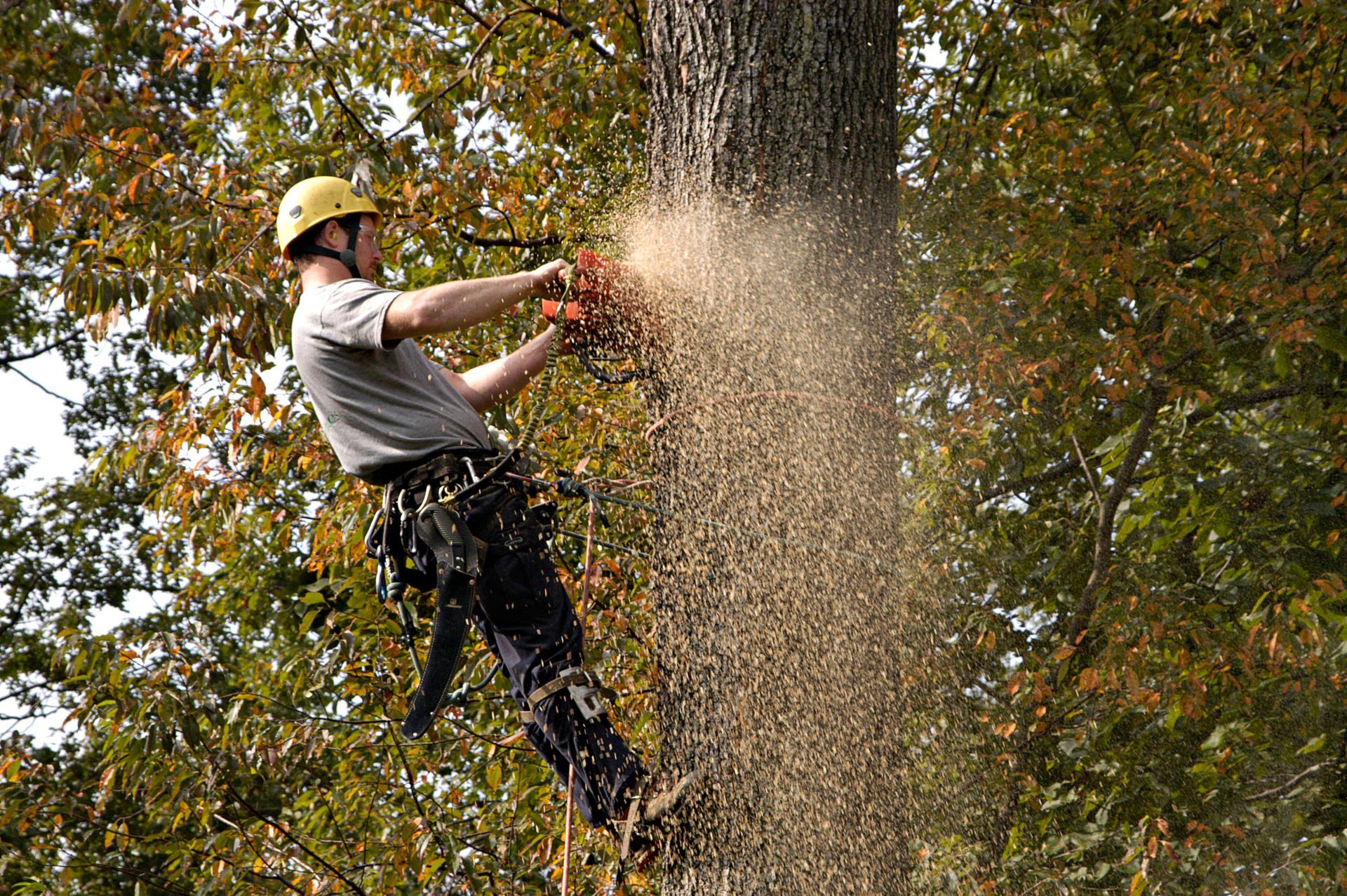
Before beginning tree removal services, professionals must evaluate the condition of the trees and identify potential hazards surrounding the work area. This assessment helps determine whether a tree can be removed safely and what precautions may be necessary.
Tree health is an important consideration. Diseased, decaying, or damaged trees may have weakened branches and compromised structural integrity. These conditions can make trees unpredictable during removal, particularly when they are positioned near electrical infrastructure.
Professionals also consider the tree's height, trunk diameter, canopy spread, and direction of growth. These characteristics help determine how much space is available for equipment positioning and whether the tree can be safely dismantled in sections.
Additional considerations include:
- Tree Stability: Inspecting the trunk, roots, and major branches for signs of structural weakness.
- Canopy Distribution: Determining whether branches extend over electrical lines, buildings, or access routes.
- Surrounding Obstacles: Identifying nearby structures, fences, vehicles, and other potential obstructions.
- Ground Conditions: Evaluating soil stability and available space for equipment and debris management.
A thorough assessment helps professionals establish an appropriate removal strategy while accounting for the specific challenges of each property.
Identifying Utility Line Locations and Clearance Requirements
Understanding where utility lines are located is essential when planning work near overhead infrastructure. Electrical lines, communication cables, and other utility equipment may occupy the same general corridor, but each can present different hazards and clearance requirements.
Power lines deserve particular attention because accidental contact can result in severe injuries or property damage. Their voltage, configuration, and location influence the precautions required during nearby tree work. Property owners should never assume that a line is safe to approach simply because it appears insulated or is positioned above an accessible area.
Utility companies establish vegetation management requirements to maintain appropriate clearances around electrical infrastructure. These requirements can vary depending on the type of line, voltage, local regulations, and utility ownership. Professionals must account for these factors before determining how to proceed.
According to the US Department of Agriculture, approximately 25% of residential property owners in a surveyed Baltimore population had removed at least one tree from their property during the preceding five-year period. This finding demonstrates how frequently tree removal becomes part of residential property management and highlights the importance of evaluating potential hazards before work begins.
Coordinating Tree Work With Utility Providers
Some tree removal projects require coordination with utility companies before work can begin. This is especially important when trees are growing directly beneath energized electrical conductors or when large branches extend into utility corridors.
Utility providers may need to inspect the location, identify potential hazards, or arrange for specialized crews to address vegetation near their equipment. Depending on the circumstances, they may also determine whether temporary power interruptions or other protective measures are necessary.
Property owners should avoid attempting to resolve these situations independently. Climbing trees, using ladders, operating cutting equipment, or handling branches near energized lines can create dangerous conditions.
Professional tree removal services can help homeowners identify when utility company involvement is necessary and plan the project accordingly. Maintaining communication between the property owner, tree care professionals, and utility provider helps prevent misunderstandings and supports a safer process.
Planning Safe Removal Around Electrical Infrastructure
Once utility line locations and tree conditions have been evaluated, professionals can determine the appropriate approach for the project. Trees positioned near electrical infrastructure often require more careful planning than those located in open areas. Experienced tree removal services consider these potential hazards when determining the safest approach for each project.
Several factors influence the removal strategy:
- Available Working Space: Limited clearance may affect equipment placement and the direction in which branches can be lowered.
- Tree Size: Larger trees may require additional planning to manage their weight and structural components.
- Access Conditions: Narrow driveways, uneven terrain, and nearby buildings can restrict equipment movement.
- Utility Infrastructure: The location of electrical conductors and supporting equipment determines which precautions are necessary.
Importantly, ordinary tree removal crews should never attempt to work on or manipulate energized electrical conductors. Specialized utility line clearance work must be performed by appropriately qualified personnel in accordance with applicable safety procedures.
Recognizing When Emergency Tree Removal Is Necessary
Storms, high winds, and unexpected structural failures can quickly turn an ordinary tree maintenance concern into an emergency. Trees that fall onto power lines or become dangerously entangled with electrical infrastructure require immediate attention from the appropriate professionals.
Property owners should never approach fallen trees or branches that may be touching electrical conductors. Even downed lines that appear inactive must be treated as energized. Maintaining a safe distance and contacting emergency services or the utility provider is essential.
Other situations requiring prompt professional attention include severely split trunks, uprooted trees leaning toward electrical equipment, and large broken limbs suspended above utility corridors.
Cope Tree Service & Mulch Delivery offers 24/7 emergency tree removal services throughout Western North Carolina. Its team handles hazardous tree situations and provides prompt assistance when damaged or unstable trees threaten residential and commercial properties.
Maintaining Safe Utility Clearances Through Preventative Care
Preventative maintenance can reduce the likelihood of tree-related utility problems. Regular inspections help property owners identify excessive growth, damaged branches, and developing structural concerns before they become more serious.
Professional pruning and trimming can help manage vegetation while preserving the health and appearance of suitable trees. However, work involving branches near energized power lines must be coordinated with the utility provider and completed by appropriately qualified personnel.
Property owners can support ongoing tree safety by:
- Scheduling periodic inspections of mature trees.
- Monitoring branches growing toward utility corridors.
- Addressing dead or damaged limbs before they become hazards.
- Reporting vegetation concerns to the appropriate utility provider.
- Arranging professional evaluations after significant storms.
These measures help reduce potential damage while keeping outdoor spaces accessible and well maintained. When removal becomes necessary, experienced tree removal services can help property owners determine the most appropriate next steps.
Protecting Your Property With Professional Tree Care
Utility line clearance is an important consideration whenever trees grow near electrical infrastructure. Identifying potential hazards, understanding clearance requirements, coordinating with utility providers, and planning appropriate removal procedures can help prevent dangerous situations. Property owners should never attempt to handle trees or branches that may contact energized power lines.
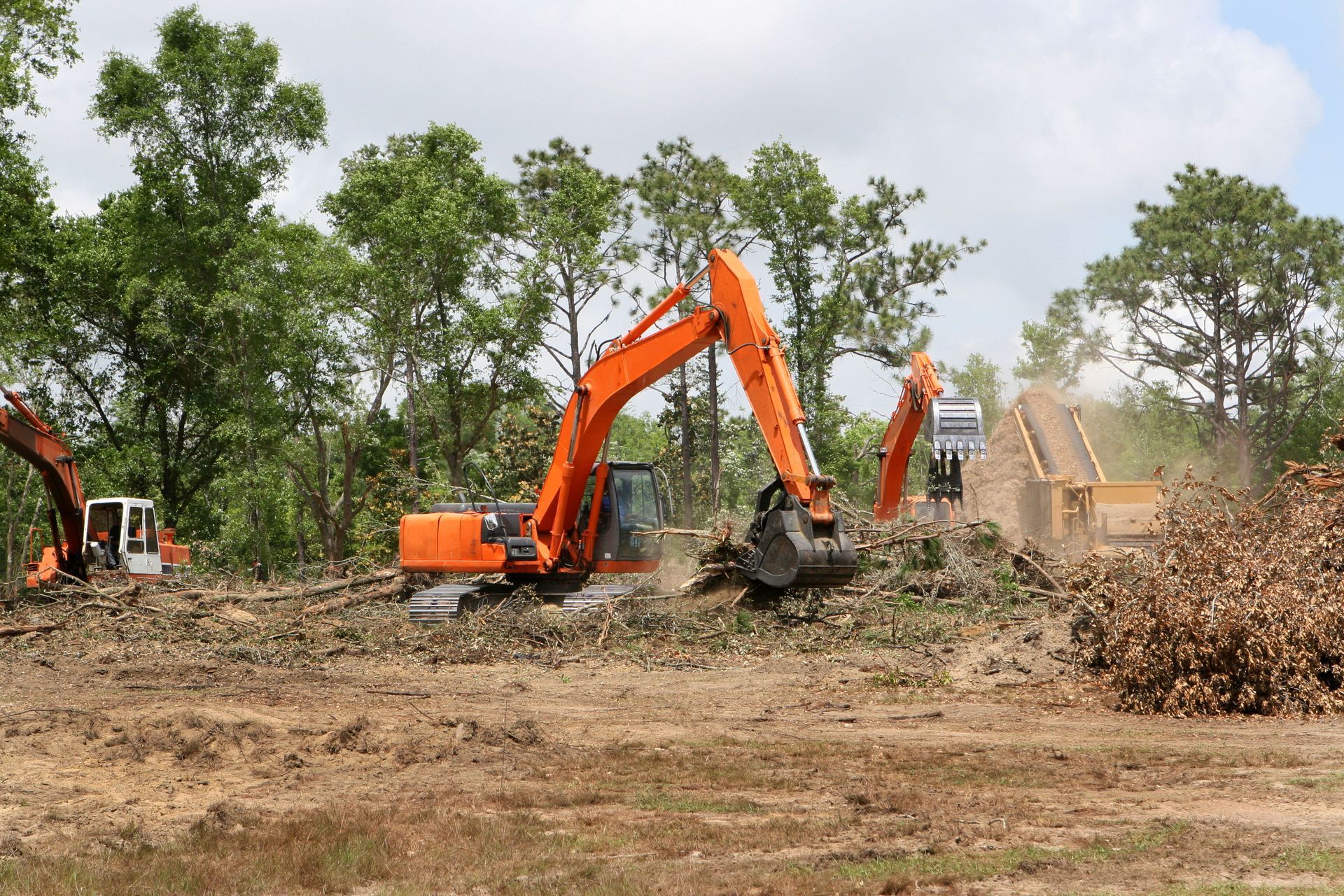
Working with an experienced tree care company makes it easier to address hazardous vegetation and maintain a safer property. With more than 25 years of experience, Cope Tree Service & Mulch Delivery provides professional tree removal services, emergency tree services, land clearing, pruning, and trimming throughout Western North Carolina. Contact Cope Tree Service & Mulch Delivery today to schedule a complimentary on-site estimate and discuss your property's tree care and removal needs.