November 20, 2026
After a heavy storm, many homeowners walk outside to find a tree that looks different than it did the day before. Maybe a large limb is hanging, the trunk is leaning, or the ground around the base looks disturbed. It can be hard to know whether the tree can recover or whether it has become a danger to your home, vehicles, and family. Making that call too late can be costly, and making it too early can mean losing a tree that might have survived. Below, we'll walk through the signs that help you decide when a damaged tree needs to come down, and how professional tree removal from our team can handle the job safely.
Understanding Why Storm Damage Needs a Closer Look
Wind, heavy rain, ice, and saturated soil put enormous stress on trees. Some damage is obvious, like a snapped branch lying in the yard. Other damage is hidden, such as cracks inside the trunk or roots that have been stretched or torn beneath the soil. A tree can look fairly normal and still be weakened enough to fall in the next storm. In mountain areas with steep slopes and shallow soil, that risk can be even greater. Taking a careful look soon after a storm gives you a chance to act before a small problem becomes a major one. It also gives you time to schedule help instead of waiting until the next round of bad weather.
Checking the Roots and Base
A tree's stability depends on its roots, and they're often where the most serious damage hides. According to the University of Maryland Extension, if over 50% of the root system is damaged, a tree should probably be removed. Signs of root trouble include soil heaving or cracking on one side of the trunk, exposed or broken roots, and a tree that has begun to tilt. Construction, trenching, and flooding can also harm roots without any storm. Because you can't see most of the root system, it's wise to have a professional evaluate any tree with suspicious changes at the base. Our tree removal team can help you decide whether a tree is safe to keep.
Looking for Cracks, Splits, and Leaning
The trunk and main branch unions can reveal a lot about a tree's health. Deep cracks, splits that run along the trunk, and branches that have pulled away from the main stem are all cause for concern. A tree that suddenly leans after a storm is especially worrying, particularly if the soil is lifting on the opposite side. Trees that have leaned slowly for years may be stable, but a sudden change is a warning. Keep people and vehicles away from any tree that looks unstable. Taking photos from a safe distance can help a professional understand what changed. Don't wait for it to fall on its own, since that decision is often made by the next strong wind.
Assessing Broken or Hanging Limbs
Storms often leave limbs broken but still hanging in the canopy. These are sometimes called widowmakers because they can drop without warning. Even smaller broken branches can cause injuries or damage property if they fall. Removing them from the ground can be dangerous, especially near power lines or in large trees. Never stand under a damaged tree to inspect it closely, and stay well away from any lines that may be down. Our tree removal services include hazardous tree removal and emergency response, so you can call us instead of taking risks yourself. Prompt attention also helps prevent further damage to your property.
Spotting Signs of Disease and Decay
Storm damage can expose problems that were already developing. Mushrooms growing near the base, soft or crumbling wood, hollow sections, and peeling bark can all point to decay. Thinning leaves, dead branches in the upper canopy, or unusual discoloration may signal disease or stress. A tree that is already declining is far more likely to fail in a storm. Not every sign means a tree must come down, since some trees can be treated or stabilized. A professional can examine the tree, explain what's wrong, and suggest the next step. Disease management and tree cabling are also part of the services we offer.
Considering Where the Tree Stands
Location matters as much as condition. A damaged tree far from buildings and walkways may pose little risk, while the same tree leaning over a house, driveway, or play area is a serious concern. Think about what would be hit if the tree fell, and how many people use that space. Trees near power lines, fences, and neighboring property add more complications. Roots can also affect nearby foundations, walkways, and septic systems. Because the stakes vary so much, it helps to think about risk, not just appearance. Our tree removal crews look at the tree and its surroundings before recommending a plan.
Deciding Between Pruning and Removal
Not every damaged tree needs to be removed. Many can recover with careful trimming, which removes broken limbs and improves the tree's shape and balance. Pruning works best when the trunk and roots are sound and the damage is limited to the branches. Removal is usually the safer option when the trunk is badly split, the roots are heavily damaged, or the tree is leaning toward a structure. Historic or significant trees may be worth extra effort to preserve, so ask about options before deciding. A second opinion can also help if you're unsure. Ask each company to explain what they see and why they recommend a particular approach. Our team offers tree pruning, trimming, and removal, and we also work to preserve significant trees when it makes sense.
Planning Safe Removal in Tight Spaces
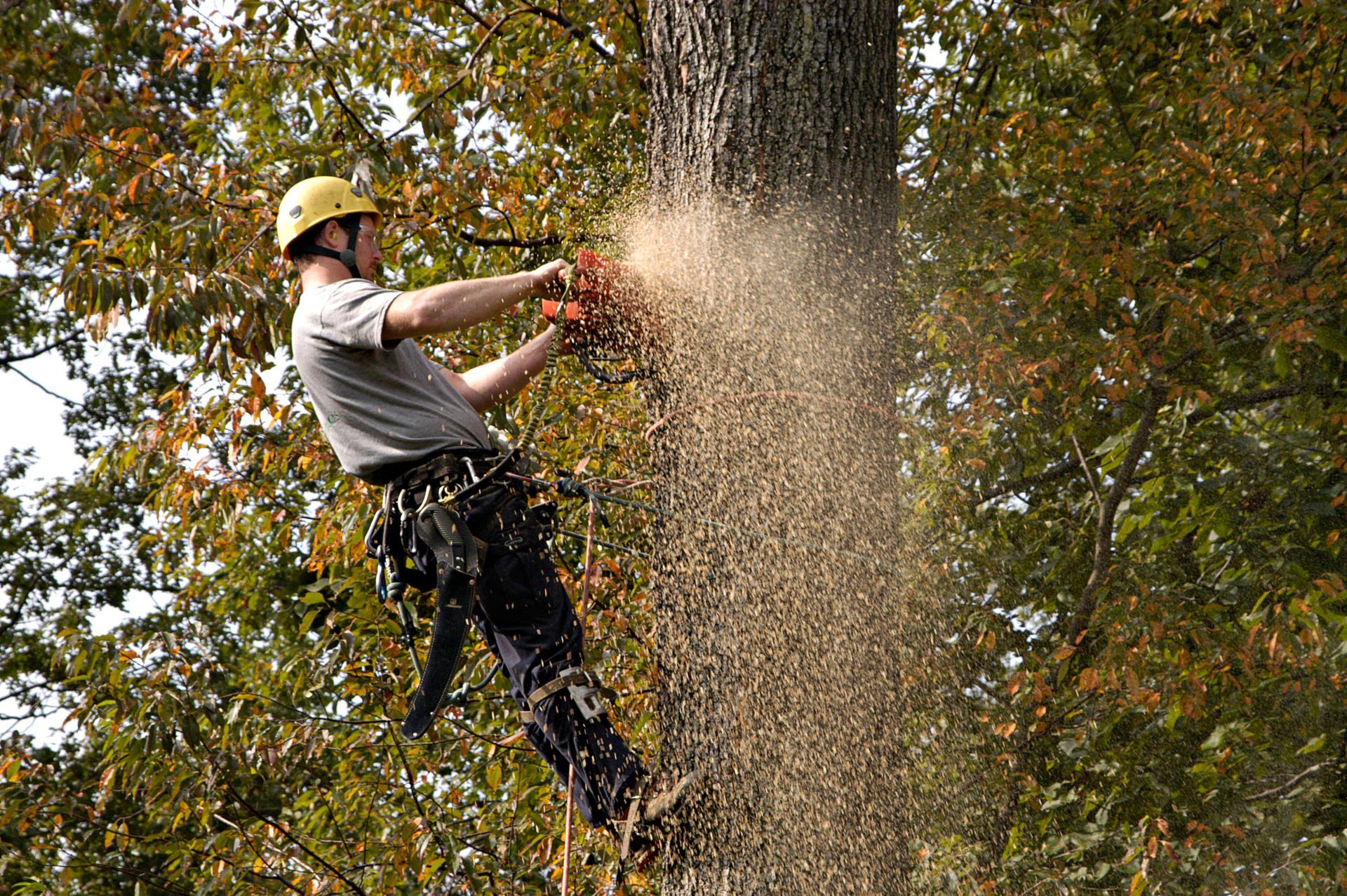
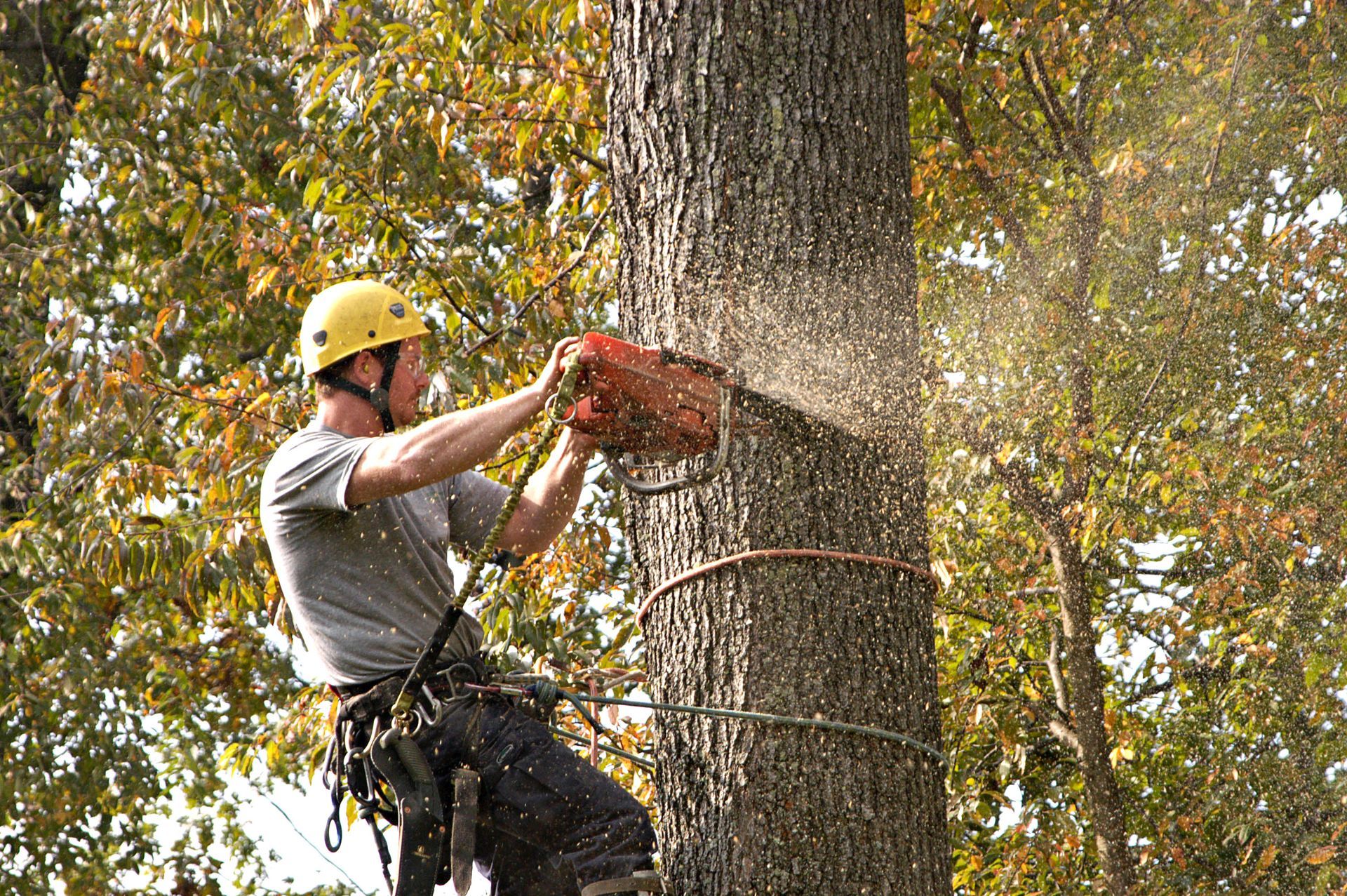
Taking a large tree down in a backyard with a house, fence, and power lines nearby takes planning. Crews often have to remove a tree in sections, lowering each piece carefully to avoid damage. Access for equipment, the tree's lean, and the location of obstacles all affect the approach. This is not a job for amateurs, since mistakes can be costly and dangerous. Check that any company you hire is insured, and ask your insurance provider about coverage for storm damage. Our tree removal team is fully insured and experienced in careful removal in tight spaces.
Handling Cleanup, Stumps, and Replanting
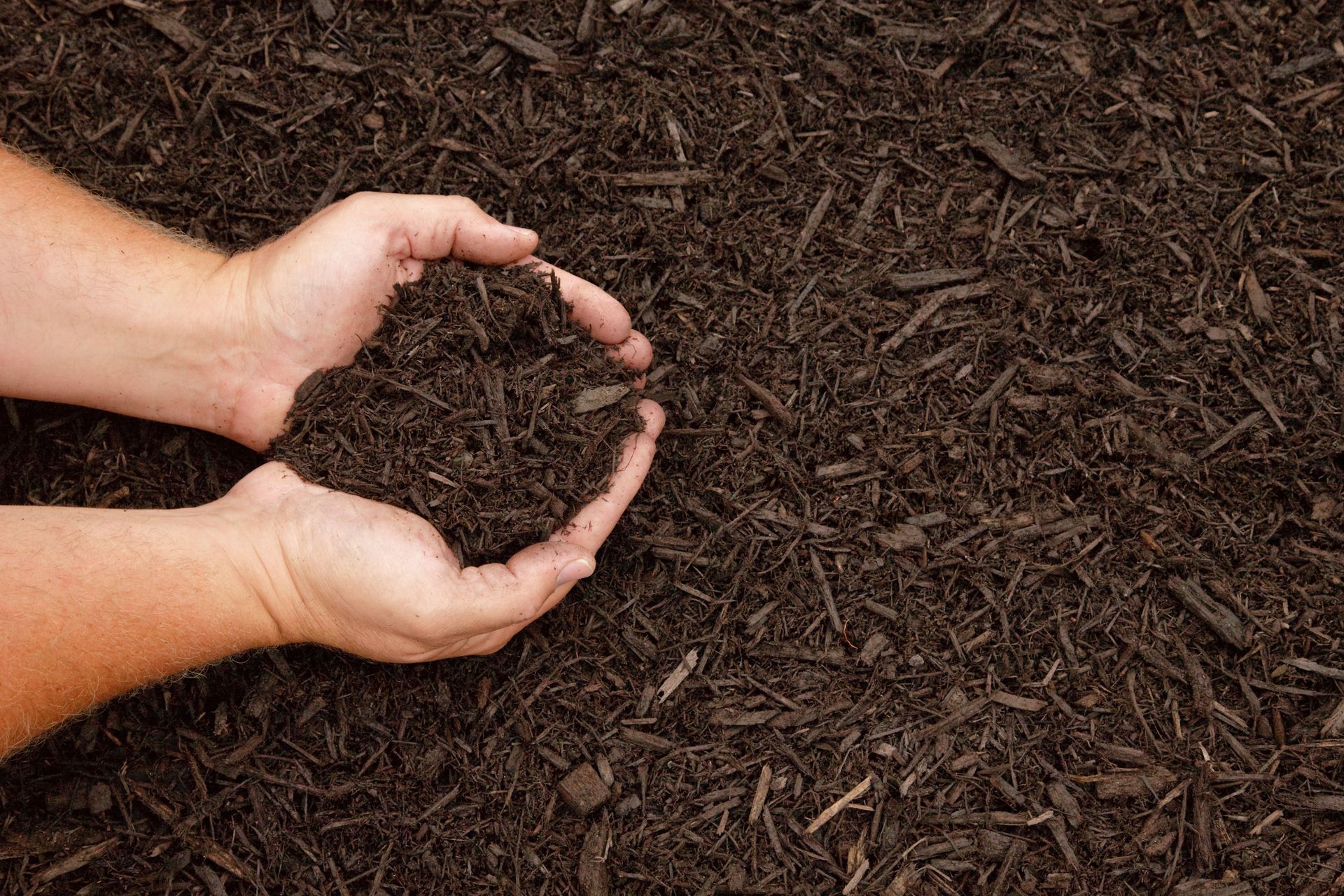
Once the tree is down, there are still decisions to make. The stump can be removed so you can reclaim the space or plant something new. Brush and logs need to be hauled away, and the soil may benefit from some attention before replanting. Choose a replacement tree that suits your yard and avoid planting too close to buildings or lines. Fresh mulch around a new planting helps protect young roots. We offer stump removal along with mulch, compost, and topsoil delivery, so you can finish the project in one place. Our tree removal and cleanup work leaves your property ready for its next chapter.
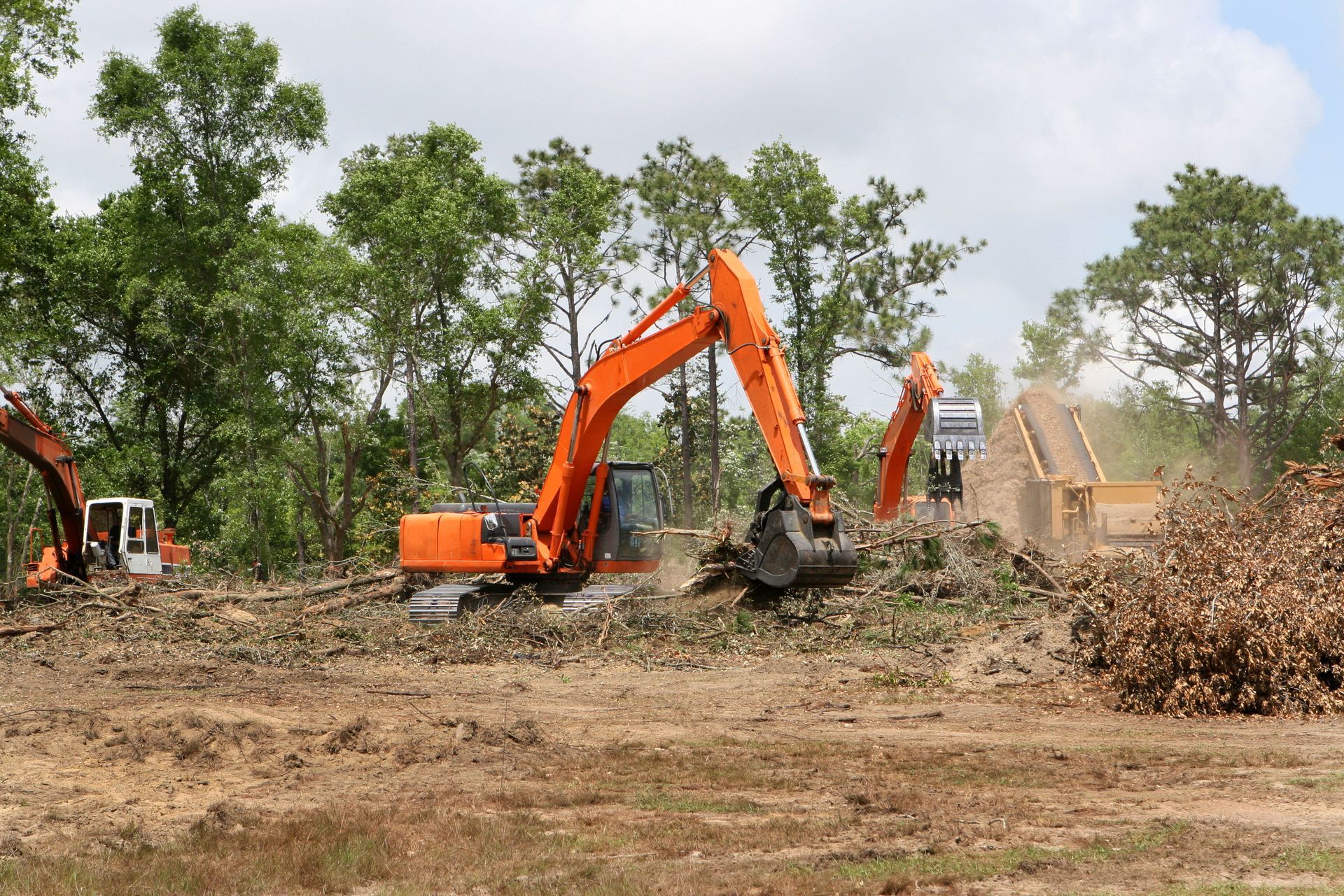
At Cope Tree Service & Mulch Delivery, we're a family-owned company that has been serving homeowners and businesses in Clyde, Lake Junaluska, Crabtree, Iron Duff, Fines Creek, and throughout Western North Carolina since 2005. We're fully insured and offer tree pruning, trimming, removal, stump removal, tree cabling, disease management, hazardous tree removal, land clearing, and mulch, compost, and topsoil delivery. We provide 24-hour emergency tree services and free on-site estimates. Contact Cope Tree Service & Mulch Delivery today to request your free estimate.