November 7, 2026
Preparing land for a construction project, landscaping upgrade, or other property improvement often begins with removing obstacles from the work area. Trees, brush, overgrown vegetation, and fallen branches can make it difficult to access the property and begin planned work. Understanding the steps involved in preparing a site helps property owners make informed decisions and avoid unnecessary delays. With proper planning and professional tree removal services, the process can create a suitable foundation for the next phase of a project.
Assessing the Property and Defining the Project
The first step is evaluating the property to determine what needs to be removed and which areas must remain undisturbed. Every property has different characteristics, including its vegetation, terrain, drainage patterns, and existing structures. A thorough assessment helps establish the project's scope and identify potential challenges before work begins.
Walk the property and identify trees, shrubs, brush, stumps, and other obstacles that could interfere with the planned work. Consider whether the project requires clearing the entire lot or preparing only a specific section. Marking the intended work area helps prevent unnecessary removal and makes it easier to estimate the time and resources required.
Property owners should also identify features that need protection, such as desirable trees, fences, nearby buildings, and underground utility lines. If the land includes steep slopes or areas prone to erosion, these conditions may influence how clearing should proceed. Defining the project's goals early helps establish priorities, control costs, and prevent avoidable delays. Professional tree removal may also be necessary when unwanted or hazardous trees interfere with the planned work area.
Identifying Trees and Vegetation for Removal
Once the project boundaries are established, determine which trees and vegetation need to be removed. Overgrown brush, dead branches, invasive plants, and unwanted trees can interfere with construction, landscaping, and access to different parts of a property.
However, not every tree should be removed automatically. Healthy trees may provide shade, improve the property's appearance, and help stabilize the soil. Evaluating each tree's condition, location, and relationship to the proposed project can help property owners decide what should stay and what should go. Professional tree removal may be necessary when a tree obstructs planned work or presents a safety concern.
Tree size is another important consideration when planning removal. According to The Spruce, medium trees generally measure between 10 and 20 feet tall, while extra-large varieties, including willows and cottonwoods, can reach heights of 50 feet or more. Larger trees may require additional equipment, careful planning, and specialized removal techniques.
When assessing vegetation, consider these factors:
- Tree Health: Dead, diseased, or structurally compromised trees may require removal if they present a safety concern.
- Location: Trees near buildings, driveways, fences, or utility lines may require additional precautions.
- Vegetation Density: Thick brush and closely spaced trees can make equipment access more difficult.
- Future Land Use: The clearing plan should reflect the property's intended use, whether for construction, landscaping, or improved access.
A professional evaluation can help determine which vegetation needs attention and how to approach the work safely.
Checking Permits and Property Requirements
Before clearing begins, verify whether the project requires permits or other approvals. Requirements vary by municipality and may depend on the property's location, the size or number of trees being removed, environmental conditions, and the intended land use.
Some areas have tree preservation ordinances or restrictions on removing vegetation near wetlands, waterways, and protected natural areas. Properties within designated conservation zones may also have additional requirements. Failing to address these regulations before work starts can lead to fines, delays, or requirements to restore affected areas.
Property owners should contact the appropriate local authorities to determine which rules apply. It is also important to confirm property boundaries, particularly when trees or brush grow close to neighboring lots. A survey may be helpful if the boundaries are unclear.
Underground utilities require special attention as well. Before excavation, stump removal, or other ground-disturbing work, contact the appropriate utility-marking service to identify buried lines. Knowing where utilities are located helps reduce the risk of dangerous damage and costly repairs. Professional tree removal providers can also help identify potential site concerns before work begins.
Completing these checks before work begins allows the project to proceed with fewer unexpected interruptions.
Planning Equipment and Removal Methods
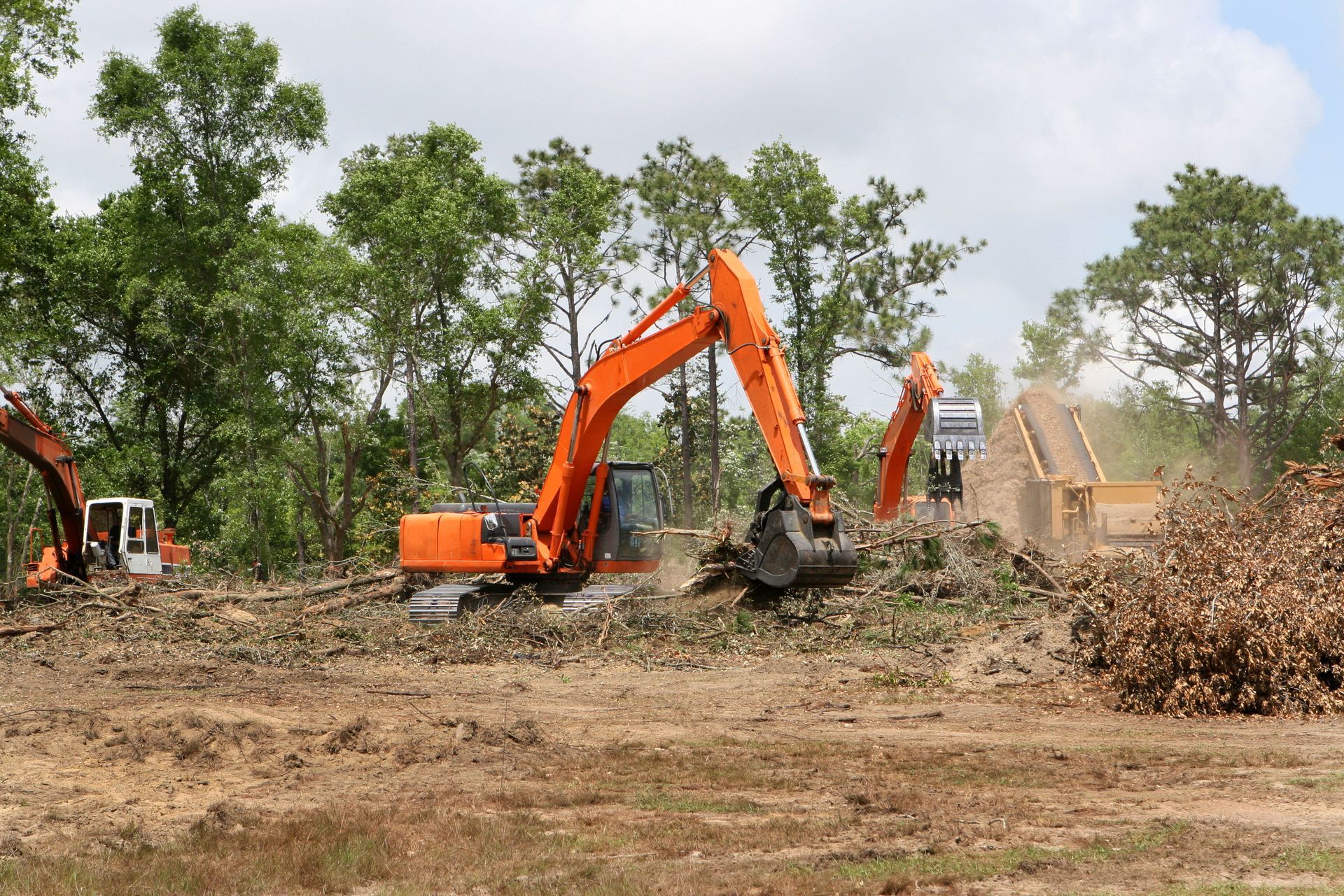
The equipment and methods required for clearing depend on the property's size, terrain, vegetation, and overall condition. Small areas with limited brush may require relatively simple tools, while heavily wooded lots or properties with large trees may need specialized machinery and experienced operators.
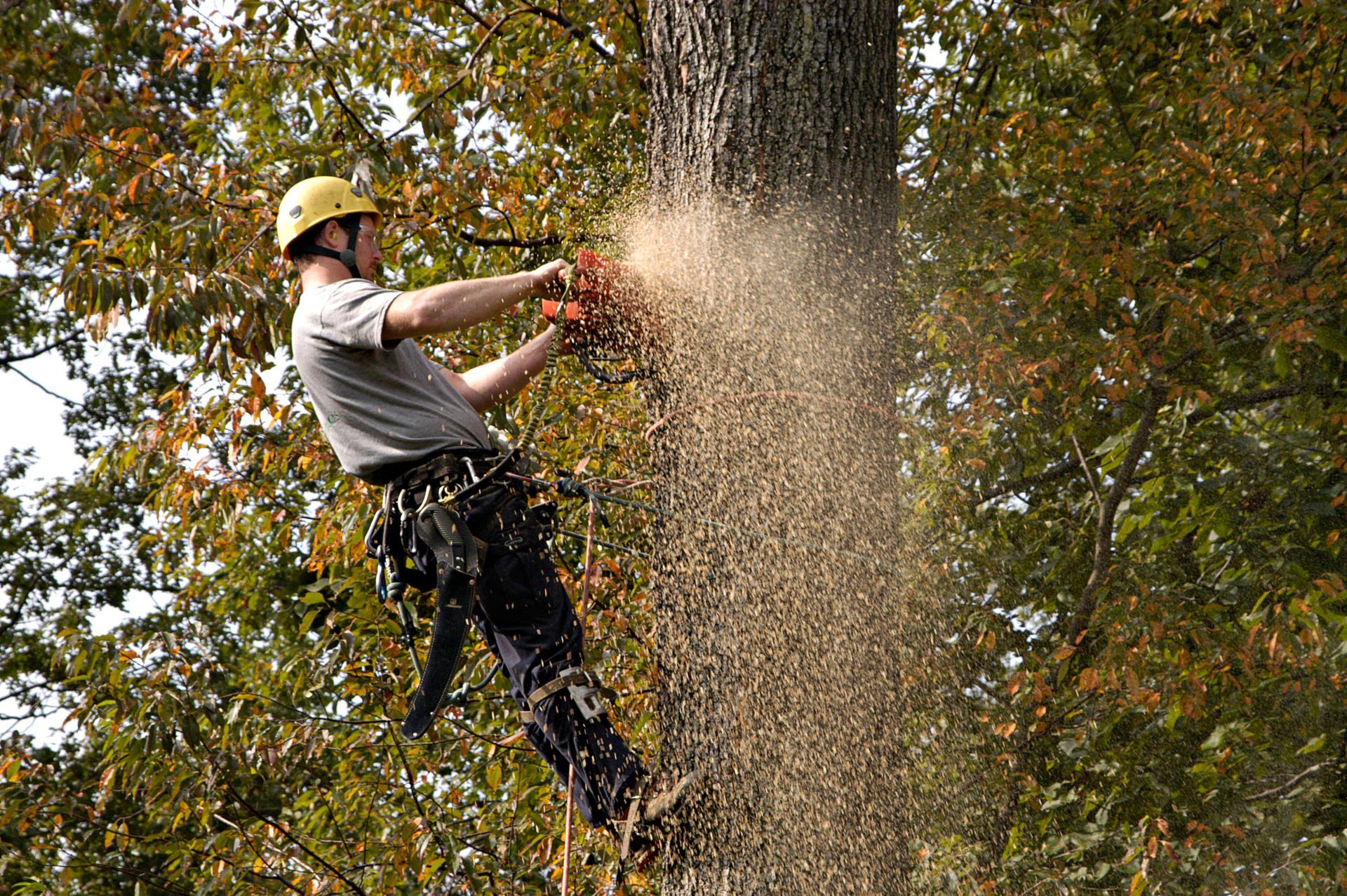
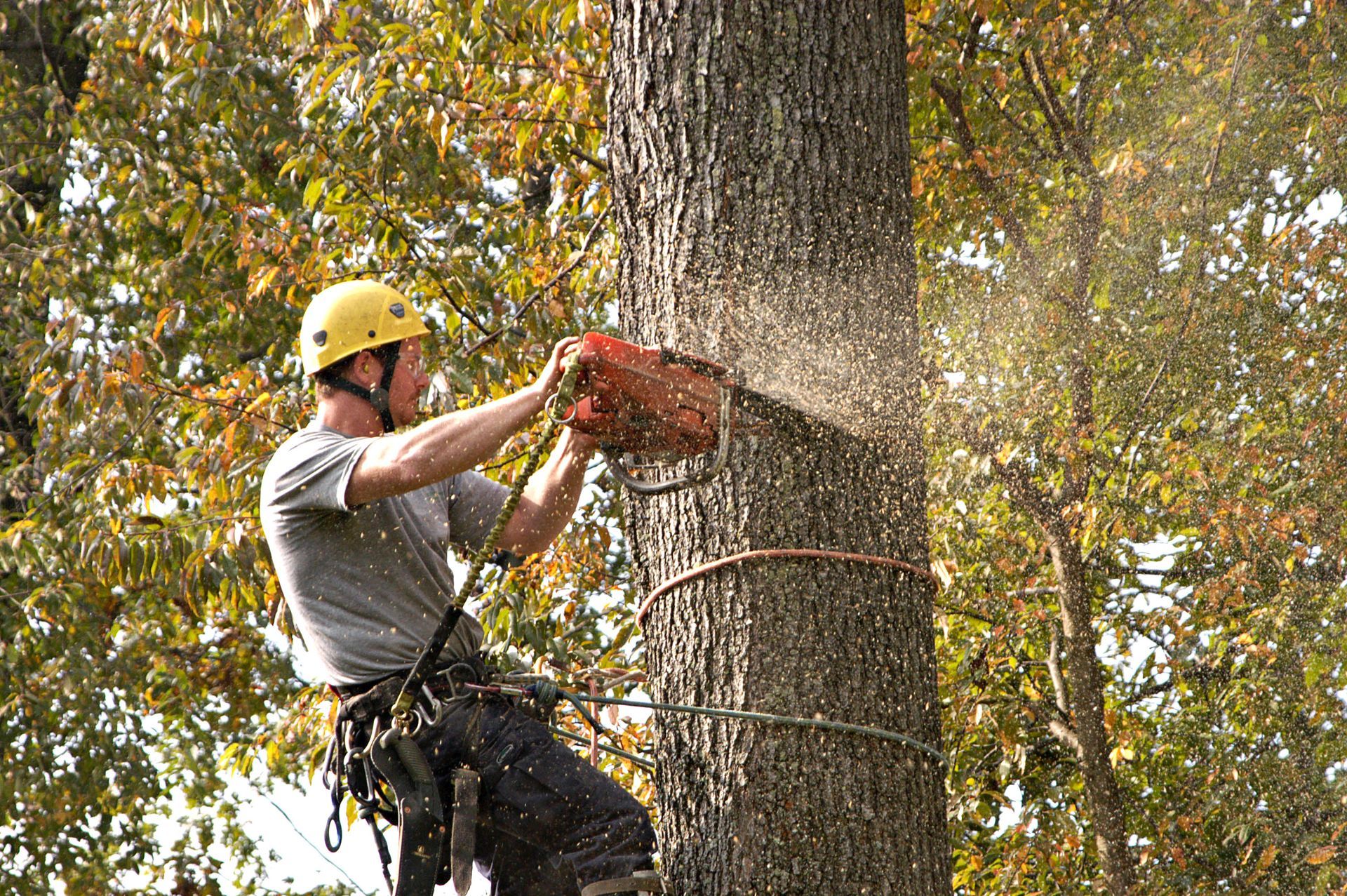
Professional tree service providers can evaluate the site and determine which equipment is appropriate. Chainsaws, brush-cutting equipment, and machinery for handling larger vegetation may be necessary, depending on the project's requirements. Access also matters because narrow entrances, uneven ground, and nearby structures can limit equipment movement.
Stumps and roots deserve attention during the planning stage. Leaving them in place may be acceptable for some projects, but construction or landscaping plans may require additional removal. Property owners should clarify whether stump removal is necessary so the work can be coordinated with the next phase.
It is equally important to plan how the removed vegetation will be handled. Branches, logs, brush, and other debris can quickly accumulate and obstruct access to the property. Arranging for hauling, disposal, or suitable mulch processing can help keep the work area organized.
A clear plan for equipment, vegetation removal, and debris management helps reduce unnecessary handling and supports a more efficient project.
Protecting Soil and Managing Debris
Removing vegetation changes the property's surface conditions, so protecting the soil should be part of the clearing plan. Trees and ground cover help limit erosion by reducing the impact of rainfall and stabilizing soil with their roots. Clearing too much vegetation at once can leave exposed ground vulnerable to runoff, particularly on sloped properties.
Whenever possible, preserve vegetation outside the designated work area. Avoid unnecessary disturbance to the soil, and consider temporary erosion-control measures if the property is vulnerable to heavy rain. The appropriate precautions depend on the terrain, soil conditions, and planned construction activities.
Debris management is another essential part of the process. Piles of branches, logs, and brush can create obstacles, attract unwanted pests, and make it harder for workers to move safely around the property. Removing debris as work progresses helps maintain access and keeps the site organized.
Depending on the material and available services, suitable wood and brush may be processed into mulch or transported for appropriate disposal. Property owners should discuss these options before work begins rather than waiting until large debris piles have accumulated. Professional tree removal services can help coordinate debris handling and keep the property ready for the next stage of work.
Coordinating the Next Project Phase
After unwanted vegetation has been removed, inspect the property to confirm that the planned work area is accessible and that the agreed-upon tasks are complete. Check for remaining brush, exposed hazards, and debris that could interfere with construction or landscaping. A final inspection also helps determine whether additional tree removal is necessary before work continues.
The next steps depend on the property's intended use. A construction project may require surveying, grading, excavation, or foundation preparation. A landscaping project may involve soil preparation, planting, or installing outdoor features. Coordinating these activities with the clearing schedule helps prevent unnecessary delays and repeated work.
Property owners should also confirm whether additional services, such as stump removal or mulch delivery, are needed before the next phase begins. Addressing these requirements early makes it easier to coordinate contractors and prepare the land for its intended purpose.
Preparing Your Property for Successful Clearing
Preparing land for a construction or landscaping project starts with understanding the property's condition, defining project goals, and identifying potential challenges. Assessing vegetation, checking local requirements, selecting appropriate removal methods, and planning debris management can help prevent avoidable problems. Careful preparation also protects valuable property features and supports a smoother transition to construction or landscaping.
Working with an experienced tree service provider can make the process more manageable, especially when a property contains large trees, dense brush, or difficult access points. For help preparing your land and addressing unwanted trees, contact Cope Tree Service & Mulch Delivery to discuss your tree removal needs.