November 17, 2026
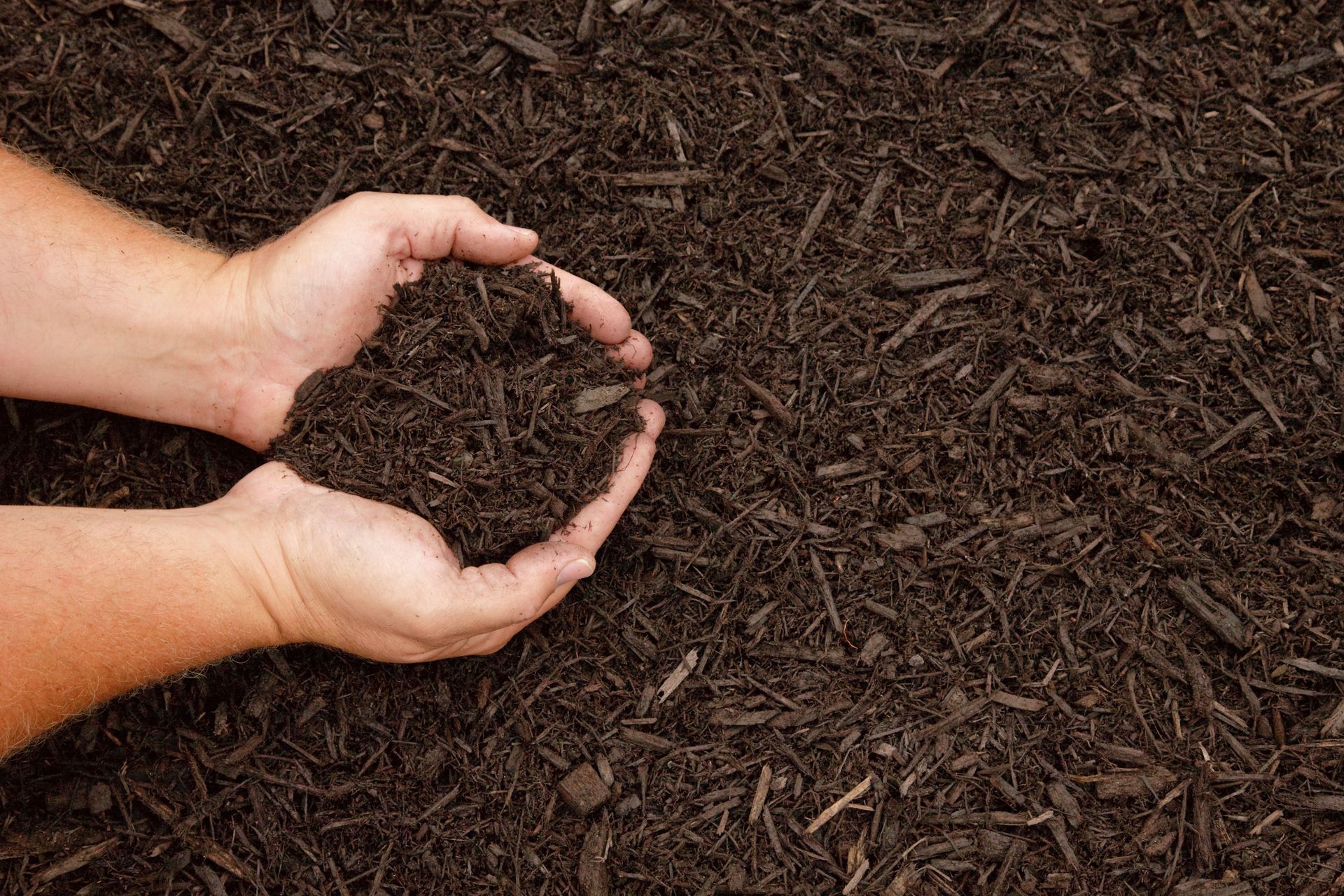
Mulch does more than improve the appearance of landscaped areas. Organic materials gradually decompose on the soil surface, interacting with microorganisms that help recycle nutrients and support healthy soil conditions. Hardwood and bark are two popular landscaping materials, but their compositional differences influence how quickly they break down and their effects on the surrounding environment. Understanding these processes can help property owners choose the right material for their landscaping needs.
Understanding How Soil Microbes Decompose Organic Materials
Soil microorganisms play an essential role in breaking down organic materials. Bacteria, fungi, and other microscopic organisms feed on the carbon compounds found in wood and plant matter. As they digest these materials, they gradually convert complex organic substances into simpler compounds that become part of the soil.
Fungi are particularly important in the decomposition of woody materials because they produce enzymes that break down cellulose and lignin. Cellulose provides structural support in plant cell walls, while lignin is a more resistant compound that helps wood maintain its strength. Bacteria also contribute to decomposition by processing smaller organic compounds and participating in nutrient cycling.
Several environmental conditions influence microbial activity, including:
- Moisture: Microorganisms need adequate moisture to remain active and process organic materials.
- Temperature: Warmer conditions generally accelerate microbial activity, while colder temperatures slow decomposition.
- Oxygen: Many decomposing organisms require oxygen to break down organic matter efficiently.
- Material Composition: Different wood species contain varying amounts of cellulose, lignin, and other compounds that influence decomposition rates.
These factors help explain why different types of organic landscaping materials break down at different speeds.
Comparing Hardwood and Bark Composition
Hardwood typically consists of shredded or chipped hardwood trees. Depending on the processing method, it may contain a mixture of wood fibers, bark, and smaller organic particles. Its composition provides microorganisms with several carbon-based materials to break down.
Bark, on the other hand, is produced primarily from the outer protective layers of trees. Bark contains lignin and other complex compounds that can make it more resistant to microbial decomposition. As a result, certain bark products may break down more slowly than softer wood materials.
The differences between these materials influence their performance in landscaped areas. Hardwood products may gradually decompose and contribute organic matter to the soil, while bark products often maintain their appearance and structure for longer periods.
Neither material is universally better. The appropriate choice depends on the property's landscaping goals, desired appearance, maintenance preferences, and soil conditions.
Homeowners should also consider how each option responds to local weather conditions and seasonal changes. Consistent exposure to rainfall, sunlight, and temperature fluctuations can influence moisture retention and the rate at which organic materials deteriorate. These factors can help determine which material provides the most practical balance between soil benefits, appearance, and maintenance requirements.
Examining How Decomposition Rates Differ
The speed at which organic materials decompose depends on their chemical composition and physical characteristics. Hardwood contains cellulose, hemicellulose, and lignin, which microorganisms break down at different rates. Cellulose and hemicellulose are generally easier to decompose, while lignin requires specialized enzymes produced by certain fungi.
Bark often contains higher concentrations of lignin and other protective compounds, making it more resistant to decomposition. This can allow bark-based products to retain their structure longer when exposed to outdoor conditions.
Particle size also influences how quickly microorganisms can process organic materials. Smaller wood fragments provide more surface area for microbial activity, potentially accelerating decomposition. Larger pieces generally take longer because less of their total material is exposed to microorganisms. The arrangement of these particles can also affect airflow and moisture distribution, influencing how easily microorganisms reach available organic compounds.
Moisture and temperature also influence these differences. Materials exposed to consistent moisture and favorable temperatures typically decompose more quickly than those in dry or cold environments. Seasonal changes can cause decomposition rates to fluctuate throughout the year, with microbial activity generally increasing during warmer, wetter periods. Proper drainage also helps prevent excessive moisture that can create unfavorable conditions for certain decomposers.
Recognizing How Microbial Activity Produces Heat
Decomposition involves biological activity that releases energy as microorganisms consume organic matter. When substantial quantities of wood chips, bark, and other organic materials are piled, microbial activity can generate considerable internal heat. This process is a natural part of recycling organic matter and occurs as microorganisms consume available carbon compounds and multiply.
According to the USDA, properly managed composting piles containing organic materials can reach internal temperatures of approximately 140 degrees Fahrenheit during active decomposition. This heat results from microorganisms breaking down organic matter and indicates biological activity within the pile.
Temperature influences which microorganisms dominate the decomposition process. Organisms that thrive in moderate conditions begin to break down organic materials, while heat-tolerant microorganisms become more active as temperatures rise. As the available organic material becomes depleted, microbial activity eventually decreases, causing internal temperatures to fall. Turning compost piles can introduce additional oxygen and redistribute materials, helping maintain favorable conditions for continued decomposition.
However, these temperatures are more common in actively managed organic material piles than in thin layers of landscaping material spread across the ground. A layer of hardwood or bark mulch in a residential landscape generally decomposes under cooler environmental conditions.
Understanding How Decomposition Benefits Soil Health
As hardwood and bark materials break down, they gradually contribute organic matter to the surrounding soil. This process supports several important soil functions, including moisture retention, nutrient cycling, and improved soil structure.
Organic matter helps soil retain water, which can benefit surrounding plants during periods of limited rainfall. It also supports soil aggregation, creating a structure that allows air and water to move through the ground more effectively.
Decomposing materials also provide food for soil organisms. Bacteria, fungi, earthworms, and other decomposers participate in nutrient cycling and help maintain a biologically active growing environment.
However, fresh woody materials have a relatively high carbon-to-nitrogen ratio. When microorganisms decompose these materials, they may temporarily use available nitrogen near the soil surface. This process is generally less concerning when woody materials remain on the soil surface rather than being incorporated directly into planting beds.
Choosing the Right Mulch for Your Landscaping Needs
Selecting between hardwood and bark products requires consideration of both appearance and long-term performance. Property owners should evaluate how frequently they want to replenish landscaping materials and whether faster decomposition or longer-lasting coverage is more important.
Hardwood products may be appropriate for homeowners seeking organic material that gradually improves soil. Bark products may appeal to those who prefer a longer-lasting decorative ground covering.
Other considerations include:
- Landscape Appearance: Different wood types and processing methods produce distinct colors, textures, and finishes.
- Maintenance Requirements: Faster-decomposing materials may require more frequent replenishment.
- Soil Conditions: Existing moisture levels and drainage can influence decomposition.
- Planting Needs: The surrounding vegetation and landscape design should guide material selection.
Applying an appropriate layer without piling material directly against tree trunks or plant stems also helps maintain healthier growing conditions.
Supporting Healthy Landscapes With Quality Mulch Delivery
Understanding how soil microbes break down hardwood and bark products can help property owners make informed landscaping decisions. Both materials contribute organic matter over time, although their composition, particle size, and resistance to decomposition influence how long they last. Choosing the right product can support soil health while improving the appearance and functionality of outdoor spaces.
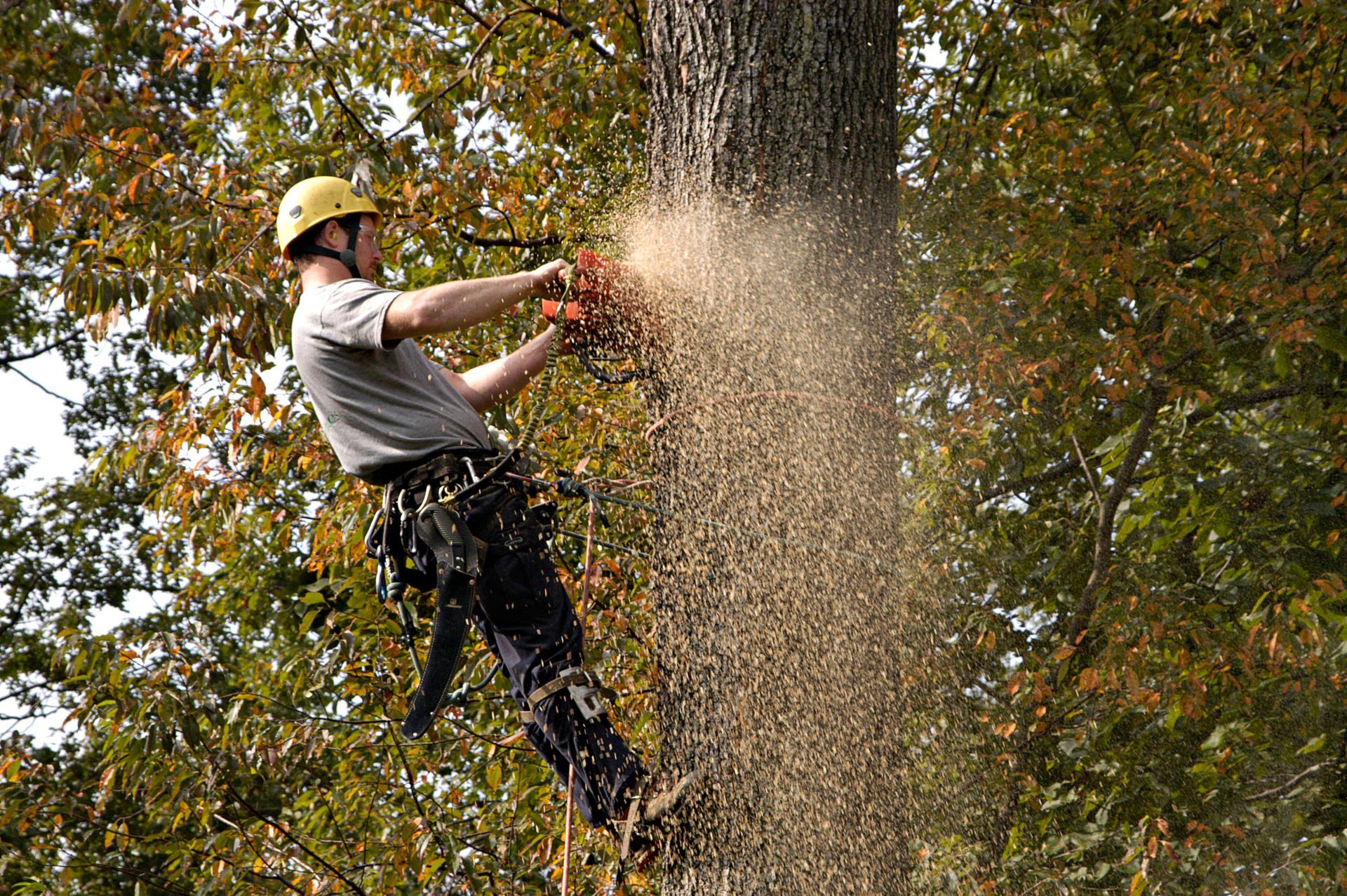
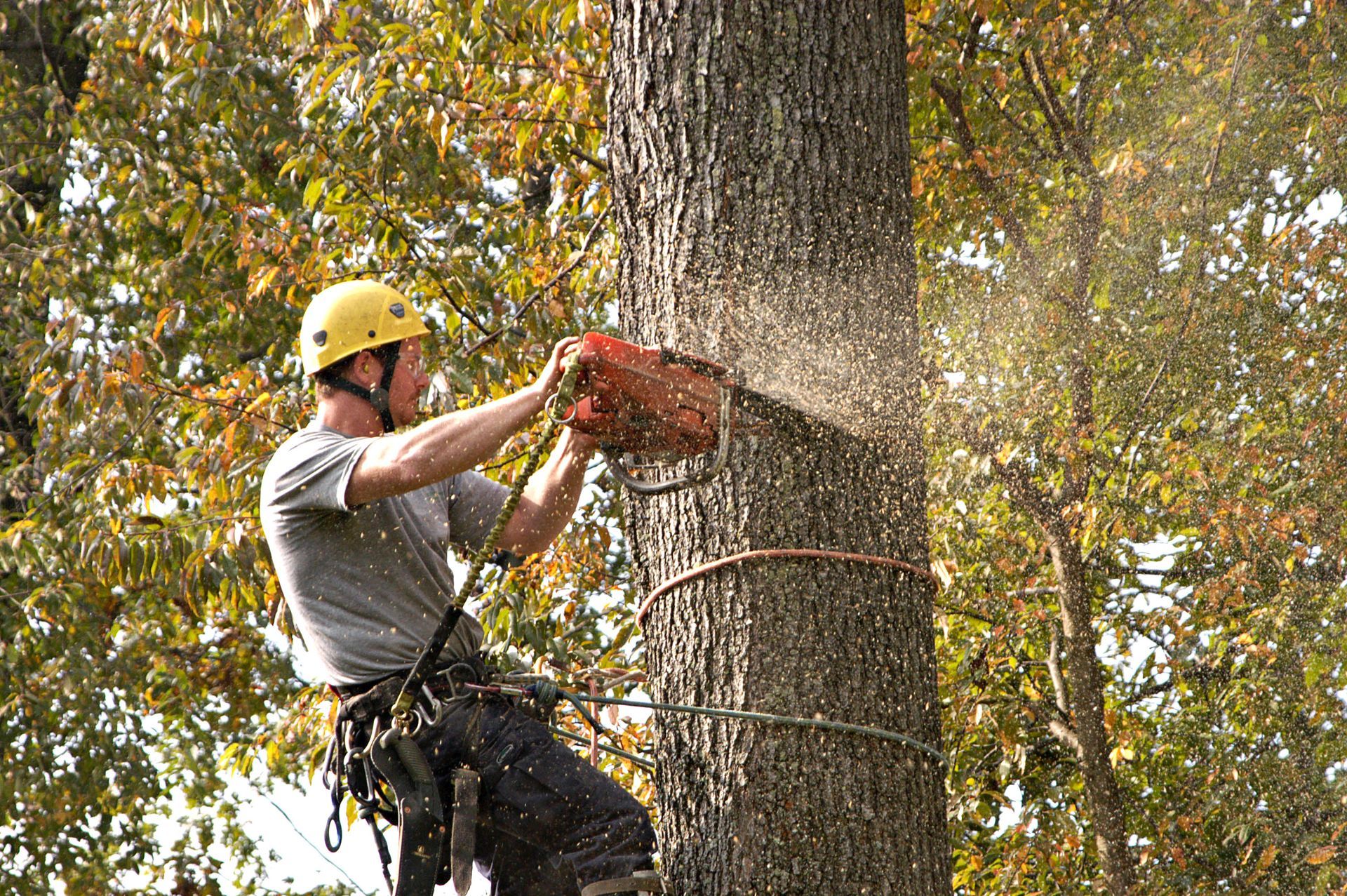
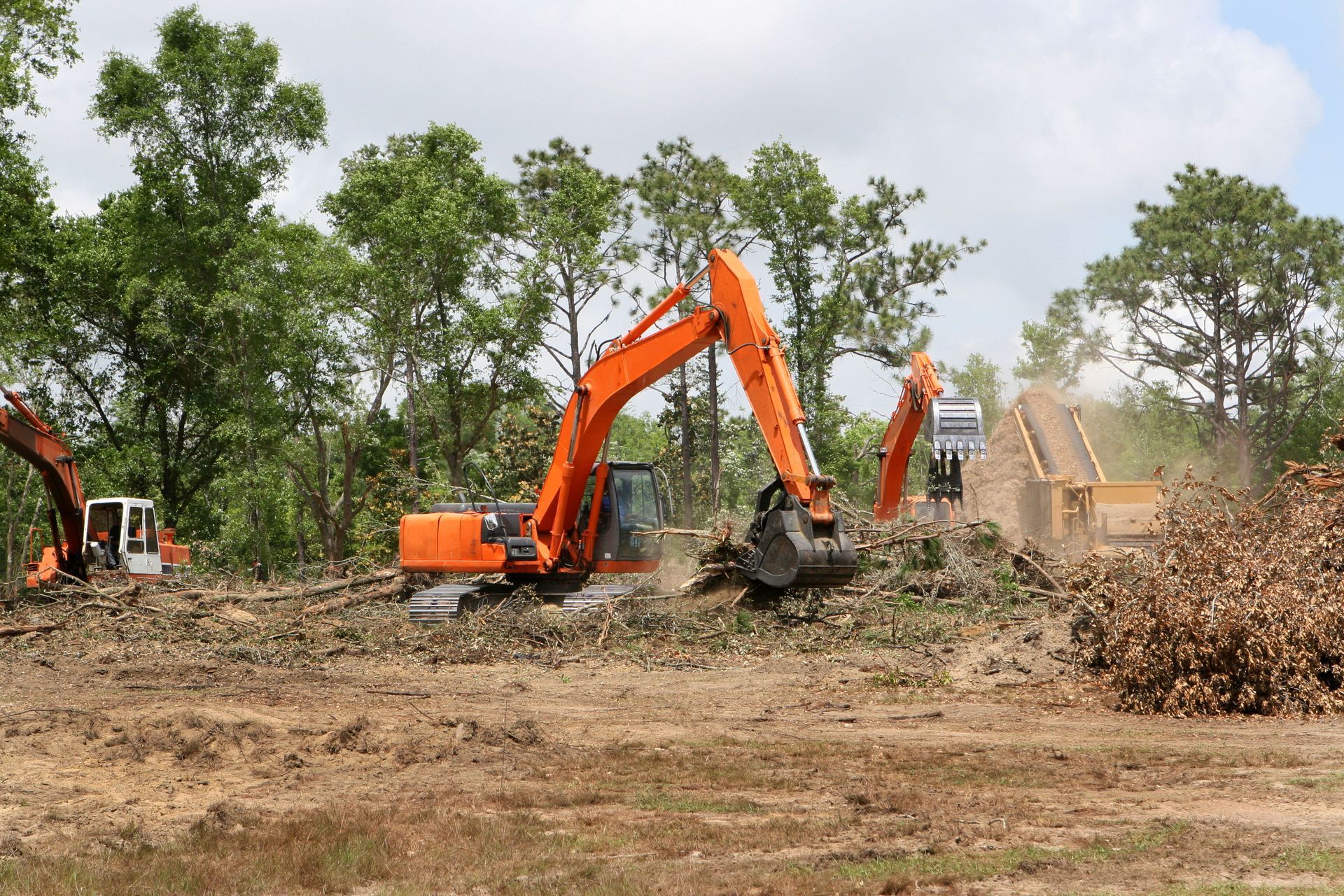
Cope Tree Service & Mulch Delivery provides mulch delivery, compost, topsoil, and other landscape supplies throughout Western North Carolina. Contact Cope Tree Service & Mulch Delivery today to request a complimentary estimate and find the right landscaping materials for your property.