October 30, 2026
Applying the right amount of mulch can make a significant difference in the health and appearance of a landscape. While it helps retain moisture, suppress weeds, and protect plant roots, using too much can create drainage problems and harm plants. Understanding the ideal depth and knowing when to replenish existing layers helps homeowners maintain attractive, healthy outdoor spaces throughout the year.
Understanding the Benefits of Mulching
Retaining Soil Moisture
Covering exposed soil slows evaporation and helps plants access moisture between watering sessions. According to Bob Vila, just two to three inches of mulch can effectively reduce weeds and retain moisture. Maintaining this depth helps landscapes withstand hot weather while reducing unnecessary watering. The soil should still drain properly, and material should never be piled against tree trunks or plant stems.
Regulating Soil Temperature
A protective soil covering moderates temperature fluctuations around plant roots. During summer, it reduces direct sunlight reaching the ground, while in colder months, it provides insulation against sudden temperature changes. These benefits help plants manage seasonal stress and maintain healthier root systems. The ideal depth depends on plant species, local climate, and soil conditions.
Improving Soil Quality and Appearance
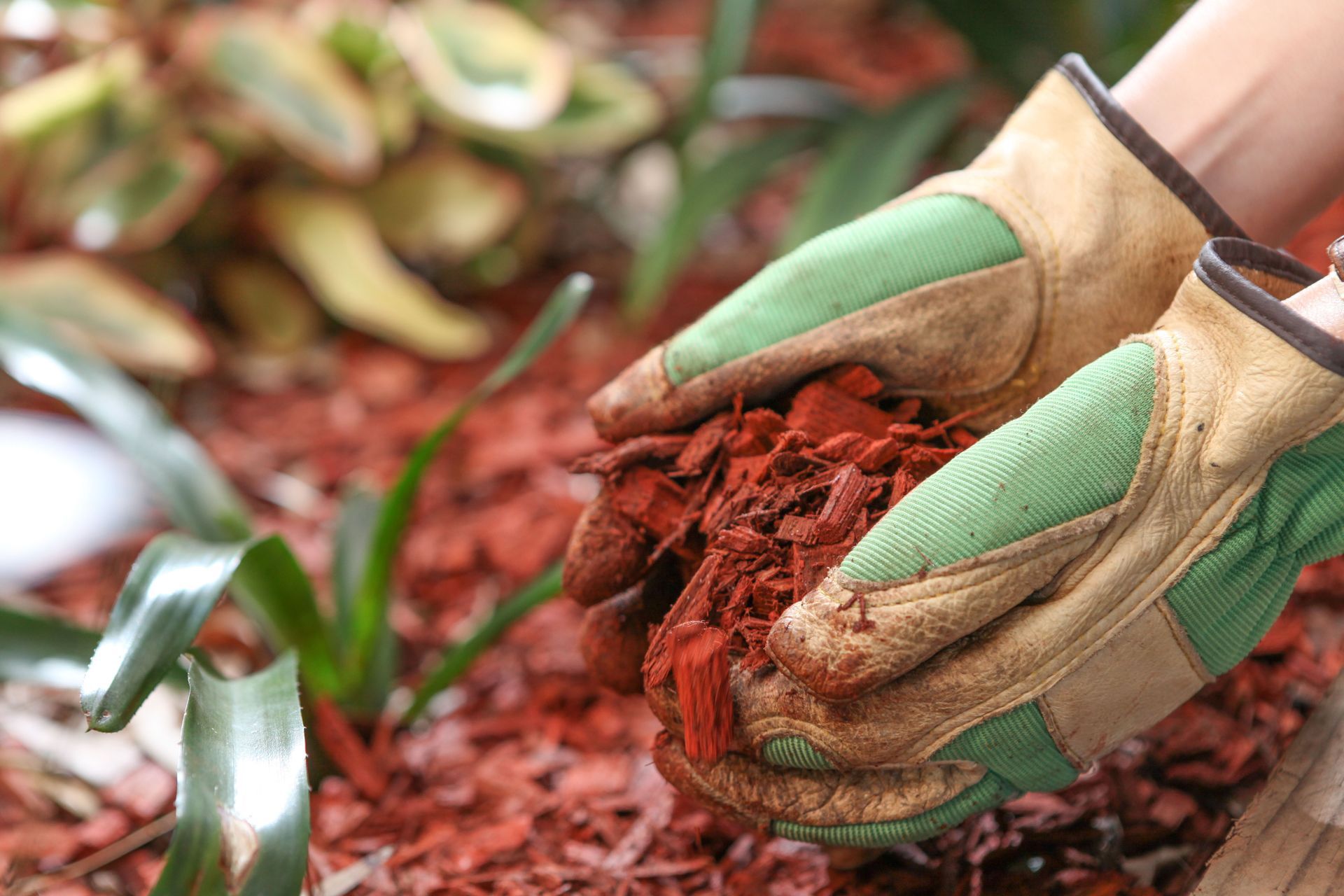
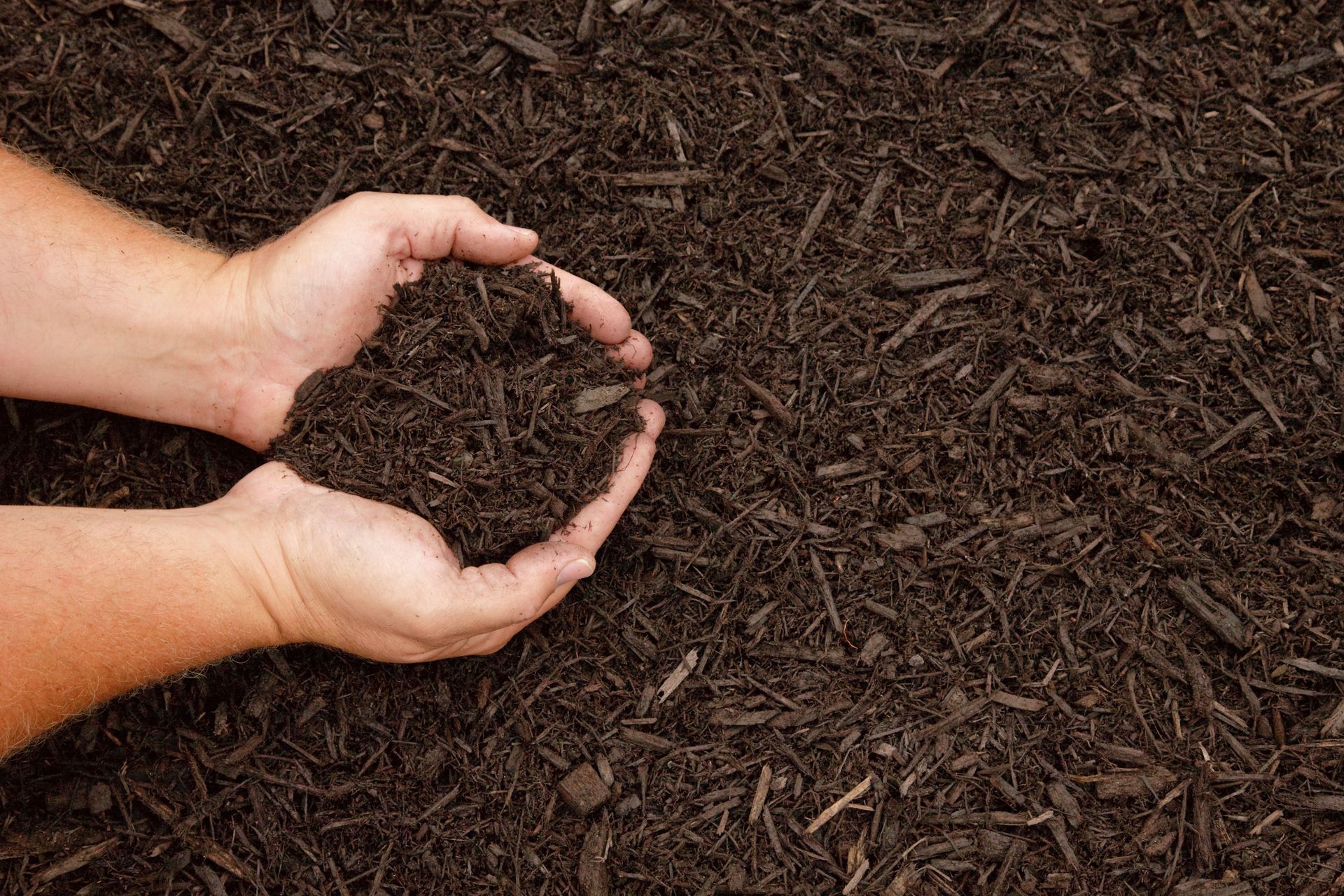
Organic materials gradually decompose, adding organic matter and supporting beneficial microorganisms. This process can improve soil structure and nutrient availability. Wood chips and bark are popular choices because they protect the soil while breaking down over time. A fresh, evenly distributed layer also creates a tidy appearance around trees, shrubs, and flower beds, complementing other landscaping features.
Determining the Right Application Depth
Adjusting Depth for Different Plants
Different planting areas require different amounts of coverage. Vegetable gardens and delicate plants may benefit from thinner applications of one to two inches, depending on their needs. Established trees and shrubs generally benefit from a layer around two to three inches. Check the existing depth before adding more to prevent unnecessary accumulation. Plant age, root placement, and soil drainage can also influence the best approach.
Considering Climate and Materials
Hot, dry conditions increase the importance of moisture retention, while persistently wet weather makes drainage especially important. Wood chips, shredded bark, leaves, and straw differ in texture and decomposition rates. Coarser materials may allow better airflow, while finer materials can settle and compact more readily. Select a material suited to the plants, climate, and maintenance requirements rather than choosing based on appearance alone.
Managing Sloped Landscapes
Slopes can make it difficult to keep a protective covering in place during heavy rain. Coarser materials, landscape edging, and suitable planting arrangements can help reduce movement and erosion. Homeowners should also consider runoff patterns when planning landscape beds. Addressing these challenges before applying materials can prevent repeated displacement and unnecessary replacement.
Preventing Problems From Excessive Mulching
Protecting Roots From Suffocation
Plant roots need oxygen to function properly. Excessively thick layers can restrict air exchange, particularly in compacted or poorly drained soils. Roots may weaken, leaving plants more vulnerable to stress and disease. Checking depths around established plants and removing excess material helps maintain healthier growing conditions. This is especially important around trees, where deep piles can interfere with normal root development.
Reducing Pest and Disease Risks
Excessively damp material can encourage certain pests and fungal problems. Piling material against tree trunks keeps bark wet and may contribute to decay. Keeping trunks and stems clear, monitoring drainage, and avoiding unnecessary accumulation can reduce these risks. Regular inspections also help homeowners identify unusual plant growth or damage before the problem becomes more serious.
Maintaining Proper Drainage
Heavy applications can contribute to moisture problems when they prevent the soil surface from drying appropriately. Poor drainage may leave roots vulnerable to decay and interfere with normal growth. Check planting beds after rainfall for standing water or persistently wet soil. Correcting drainage problems is more effective than adding another layer, especially in areas with heavy clay soil.
Preserving Soil Balance
Organic materials decompose at different rates and can influence soil conditions. Although common landscape materials do not automatically cause harmful pH changes, particular materials and soil conditions may affect plant performance. Soil testing can identify nutrient deficiencies or pH concerns when plants show signs of stress. Adjusting soil conditions based on test results helps maintain a suitable growing environment.
Knowing When to Replenish Mulch
Checking for Decomposition
Organic materials gradually settle and break down, reducing their original depth. Fading color alone does not mean a new layer is necessary. Measure the existing coverage and inspect the soil before replenishing. If enough material remains, leaving it in place prevents excessive buildup and reduces costs. Regular checks also help identify areas where wind or water has exposed the soil.
Planning Seasonal Applications
Spring is a useful time to inspect planting beds and address areas where winter weather displaced material. Fall applications may help protect roots from seasonal temperature changes, depending on the plants and local climate. Focus on restoring appropriate coverage rather than automatically adding a fresh layer every few months. Timing applications around local weather patterns can make landscape maintenance more effective.
Responding to Weather Damage
Heavy rain, strong winds, and landscape maintenance can displace material from garden beds. After significant weather events, check for exposed soil and areas where material has collected excessively. Redistributing existing material may solve the problem without requiring a new delivery. Maintaining borders and addressing runoff can also help keep planting beds in good condition.
Choosing Practical Mulching Methods
Using Living Ground Covers
Low-growing ground cover plants protect exposed soil while adding color and texture to a landscape. Depending on the species, they can limit weed growth, reduce evaporation, and support biodiversity. These plants require suitable growing conditions but can provide an alternative to loose materials in selected areas. Choosing varieties suited to local sunlight and moisture conditions helps them establish successfully.
Considering Inorganic Alternatives
Decorative stones and gravel offer long-lasting coverage and require less frequent replenishment. However, they do not enrich soil with organic matter and may affect nearby plants by absorbing or reflecting heat. Consider plant requirements and drainage before using them around sensitive vegetation. They are often better suited to decorative areas where long-term coverage and minimal replenishment are priorities.
Applying Compost and Weed Barriers
Finished compost provides nutrients and organic matter when applied appropriately. Because it decomposes quickly, it may require more frequent monitoring. Cardboard and other suitable biodegradable barriers can also suppress persistent weeds beneath organic materials. Choose methods that suit the planting area rather than relying on barriers to compensate for excessive coverage.
Maintaining Healthy Landscape Beds
Applying Materials Correctly
Spread materials evenly and leave a visible gap around tree trunks, shrub stems, and other plant bases. For trees, a broad, shallow layer extending toward the drip line is generally preferable to a deep mound near the trunk. Avoid covering exposed root flares or damaging roots during preparation. Proper placement supports airflow while helping the soil retain moisture.
Avoiding Mulch Volcanoes
Mulch volcanoes form when material is piled high against a tree trunk. This common mistake traps moisture against the bark and can interfere with healthy root development. Instead, create a flat, doughnut-shaped layer with the trunk exposed. This provides useful ground coverage without putting unnecessary stress on the tree.
Maintaining Long-Term Landscape Health
Effective landscape care involves monitoring plant health, checking soil conditions, and adjusting maintenance as needed. Avoid adding material simply because the surface looks faded. Removing excess buildup, improving drainage, and replenishing only depleted areas can protect plants while controlling costs. Selecting appropriate materials and applying them responsibly also helps reduce waste.
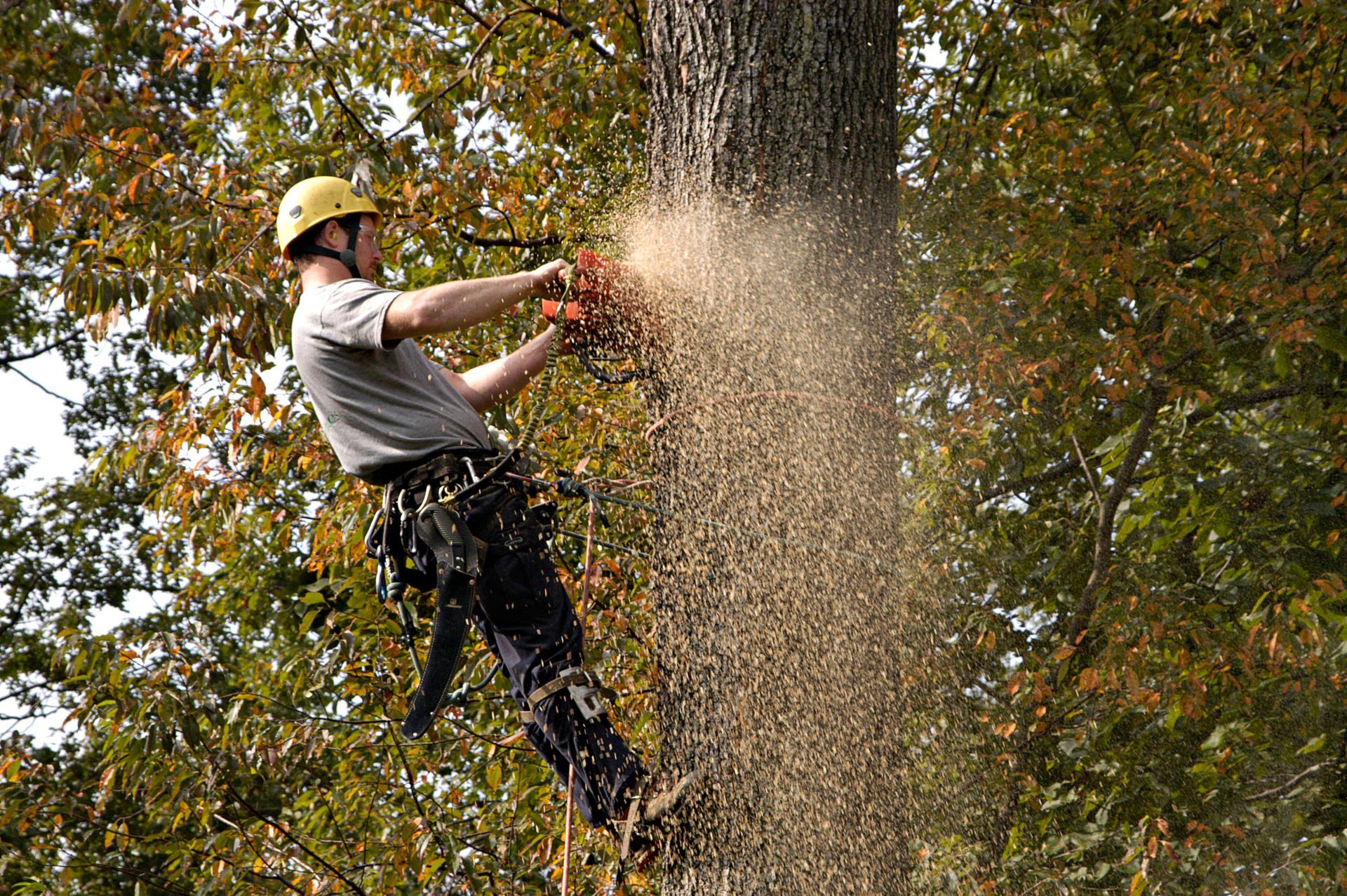
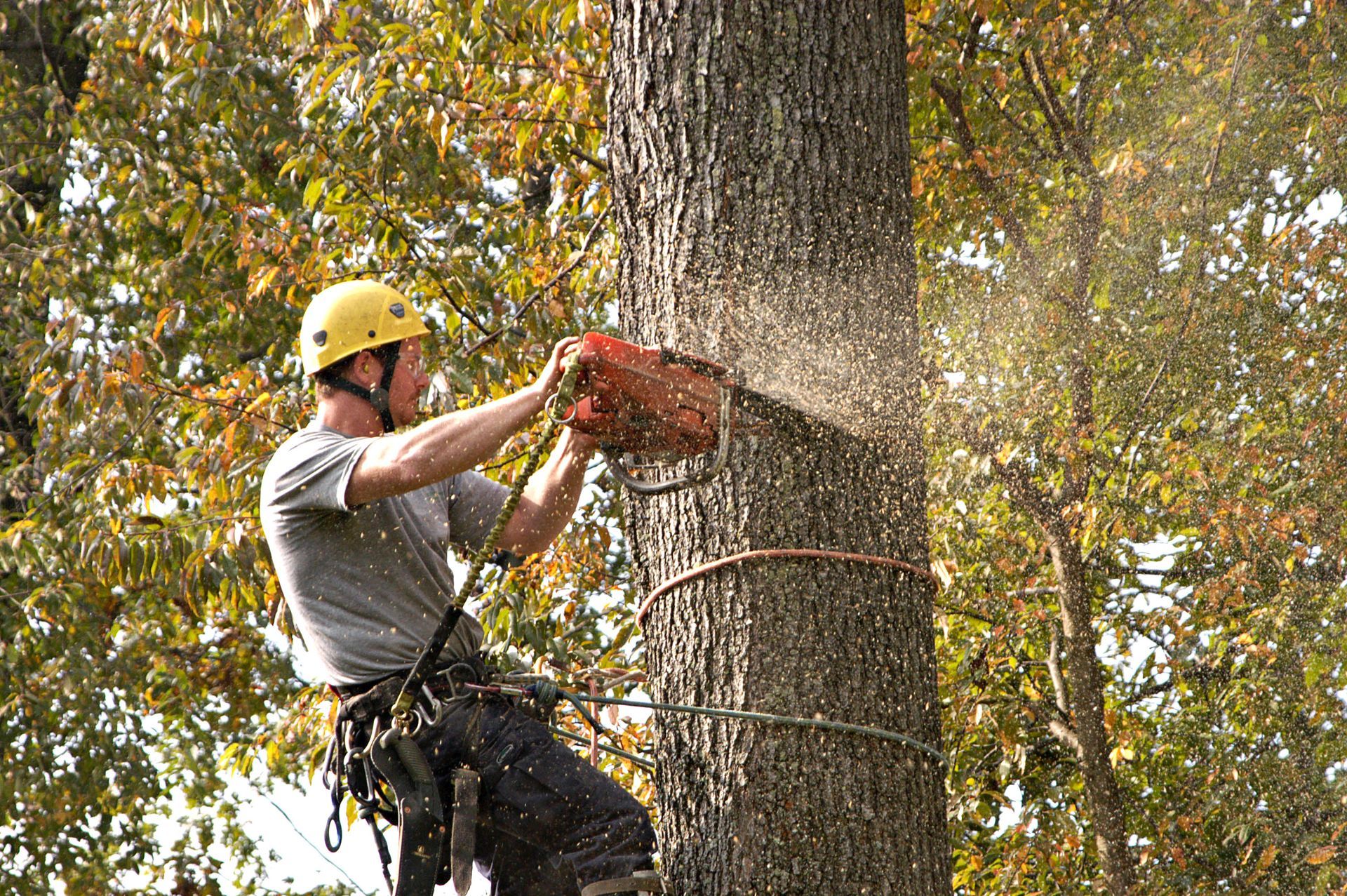
Large properties, established trees, and uneven terrain can make landscape maintenance challenging. Professional guidance helps homeowners select suitable materials, determine appropriate depths, and avoid practices that harm plants. Contact Cope Tree Service & Mulch Delivery to discuss your landscape needs and arrange a convenient delivery.