November 1, 2026
Trees are vital components of our ecosystem, providing habitats, improving air quality, and aiding in climate regulation. However, there are circumstances where tree removal becomes an essential step to ensure safety, environmental balance, or aesthetic appeal in a given landscape setting. Let's take a moment to delve into the essentials of tree removal. Whether dealing with damaged trees, planning a landscape redesign, or other motivations, understanding the intricacies of tree removal can save you time, money, and effort.
Understanding When Tree Removal Is Necessary
Assessing Tree Health
Determining whether a tree requires removal often starts with a comprehensive health assessment. Trees suffering from significant disease or pest infestations may present risks if left untreated. Trained arborists can diagnose common diseases such as Dutch elm disease or emerald ash borer infestations, which may necessitate removal to prevent spread. Decay and structural damage, visible through symptoms like cracks or missing bark, also highlight health concerns. By understanding these signs, property owners can make knowledgeable decisions about whether removal is the appropriate course of action.
Safety Concerns and Risks
Safety is a primary impetus for tree removal, particularly in scenarios where trees pose imminent danger to people or property. Overreaching branches near power lines, unstable limbs, or trees at risk of falling can cause significant damage or injury during storms or high winds. A thorough risk assessment, sometimes involving advanced imaging technologies, helps in identifying potential hazards. Preventative removal can mitigate emergencies, safeguarding both human life and infrastructure. Consequently, understanding risk factors is critical in maintaining a safe environment.
Legal Considerations and Permissions
Legal considerations play a substantial role in tree removal projects, as many jurisdictions have regulations protecting certain tree species or trees of particular sizes. Municipalities may require permits for removal, especially for trees classified as significant or heritage due to their size, age, or historical importance. Additionally, removing trees located on boundary lines or those straddling property lines can lead to disputes, making legal clarity vital. Failing to adhere to local ordinances can result in legal penalties or fines. Therefore, understanding legal obligations is essential before proceeding with tree removal.
Choosing the Right Tree Removal Service
Evaluating Experience and Credentials
When choosing a tree removal service, their experience and qualifications should be primary considerations. Professional certifications signify recognized competence and knowledge of trees. Industry experience further informs a service's ability to handle complex or large-scale removal tasks efficiently. You should ask about past projects or seek portfolios showcasing successful removals and care practices. Evaluating credentials is critical in ensuring that the service provider adheres to industry standards and delivers safe and effective removal services.
Understanding the Cost Breakdown
Tree removal costs can vary significantly, emphasizing the importance of understanding detailed cost estimates before hiring a service. Costs generally include aspects such as labor, equipment use, and disposal of tree debris post-removal. Some services may offer additional options like stump grinding or site landscaping at a separate cost. Transparent pricing is a hallmark of reputable companies, which should outline costs clearly in writing. Collecting multiple quotes helps in comparing costs and ensuring that chosen services align with personal budget constraints without compromising quality.
Reading Reviews and Seeking Recommendations
Customer reviews can provide valuable insights into the reliability and quality of potential tree removal services. Online review platforms often contain detailed feedback from previous clients, offering firsthand accounts of their experiences. Besides online platforms, recommendations from friends or neighbors who've used such services can guide your choice effectively. Good reviews signal a company's competence and commitment to customer satisfaction. By considering feedback proactively, buyers can avoid substandard service providers and choose those with proven track records.
Assessing Equipment and Techniques
The techniques and equipment a tree removal service uses are strong indicators of their proficiency and capability. Modern, well-maintained equipment ensures efficiency and safety, especially when dealing with larger or hazardous trees. Services utilizing up-to-date technology, like crane removals or aerial lifts, highlight their potential to manage complex removal scenarios. Additionally, seeking services with environmentally friendly practices like recycling debris demonstrates a commitment to sustainability. By evaluating tools and techniques used, you ensure the tree removal process aligns with safety standards and environmental responsibility.
The Tree Removal Process Explained
Initial Consultation and Assessment
The tree removal process starts with an initial consultation and assessment, providing the foundation for a safe and effective removal. During the consultation, arborists assess the tree's condition, location, and surrounding environment to identify potential risks or complications. This phase often involves site inspection and possible recommendations for alternative actions like pruning or disease treatment. Discussing client concerns, objectives, and budgetary constraints is crucial for aligning expectations with service capabilities. A comprehensive assessment ensures all necessary precautions are taken, minimizing risks and optimizing the removal strategy.
Preparing the Site for Safe Removal
Site preparation is an integral step in ensuring a smooth and secure tree removal operation. This involves clearing the area of obstacles, safeguarding nearby structures, and setting up necessary equipment efficiently. Given the potential safety hazards, expert teams systematically delineate the operation zone, establish drop zones, and take precautionary measures to mitigate accidental damage. Traffic control measures may be employed to manage vehicular and pedestrian activity around the worksite. Proper preparation enhances team coordination, reducing the likelihood of mishaps and streamlining the removal process.
Tree Cutting Techniques
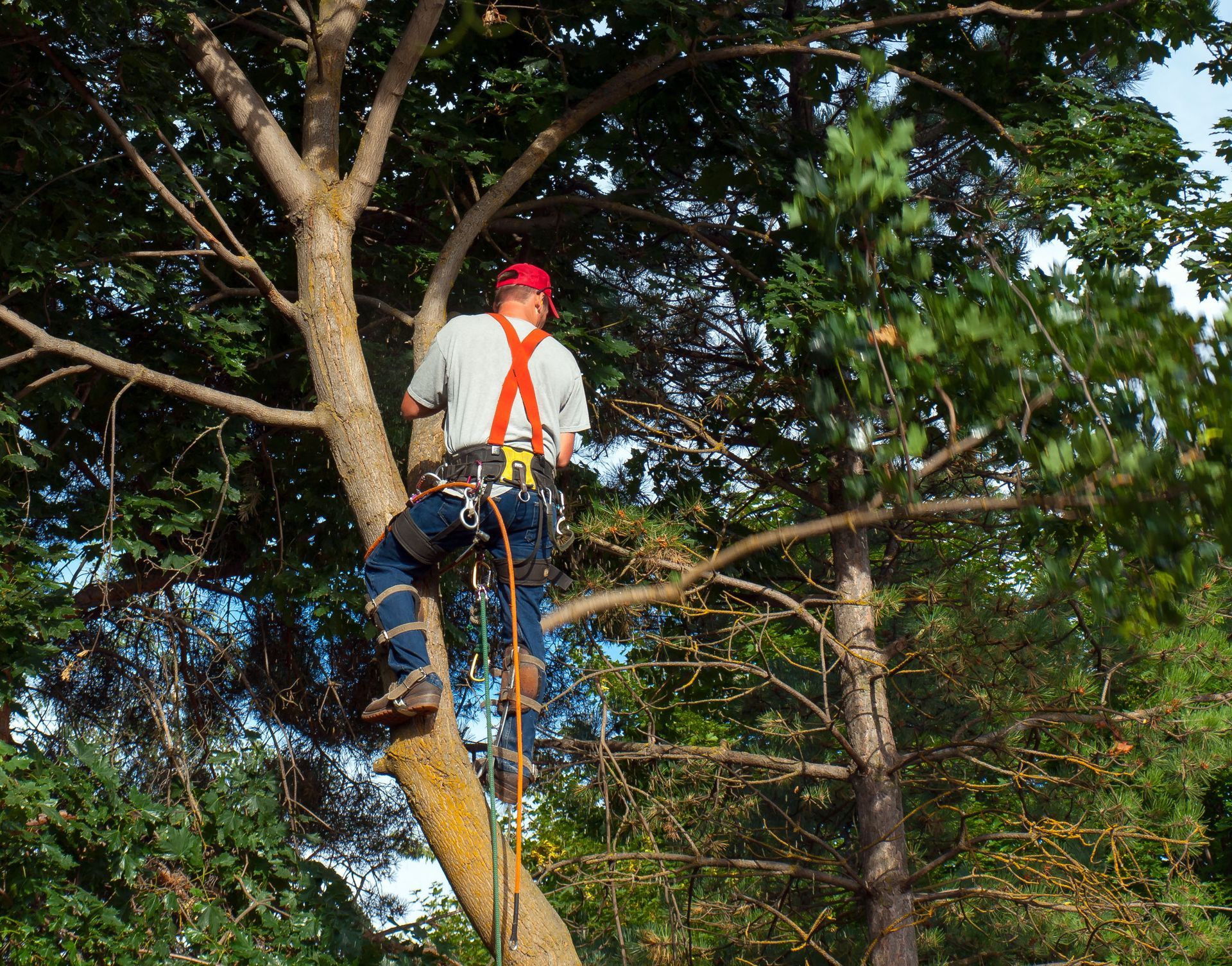
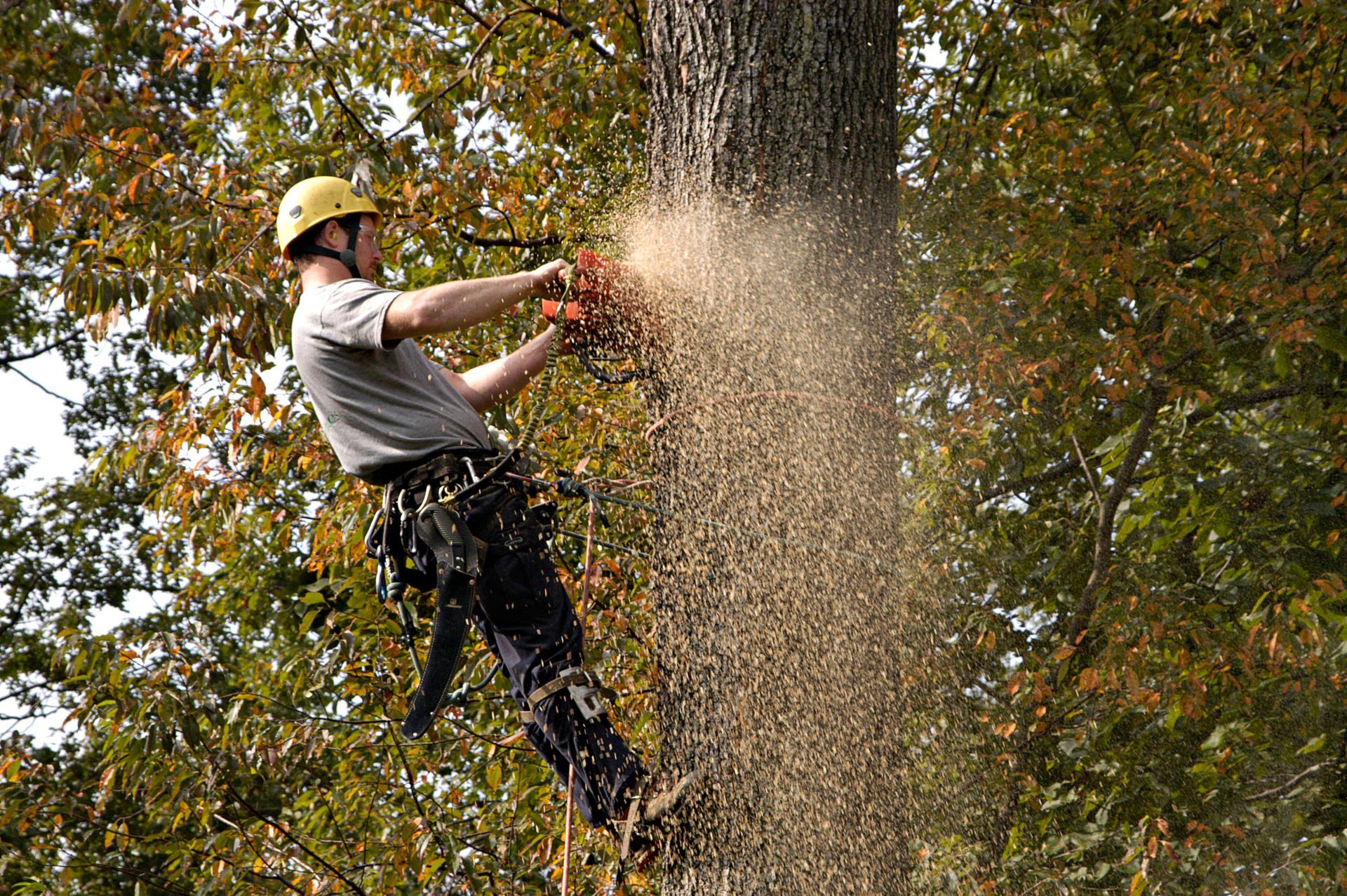
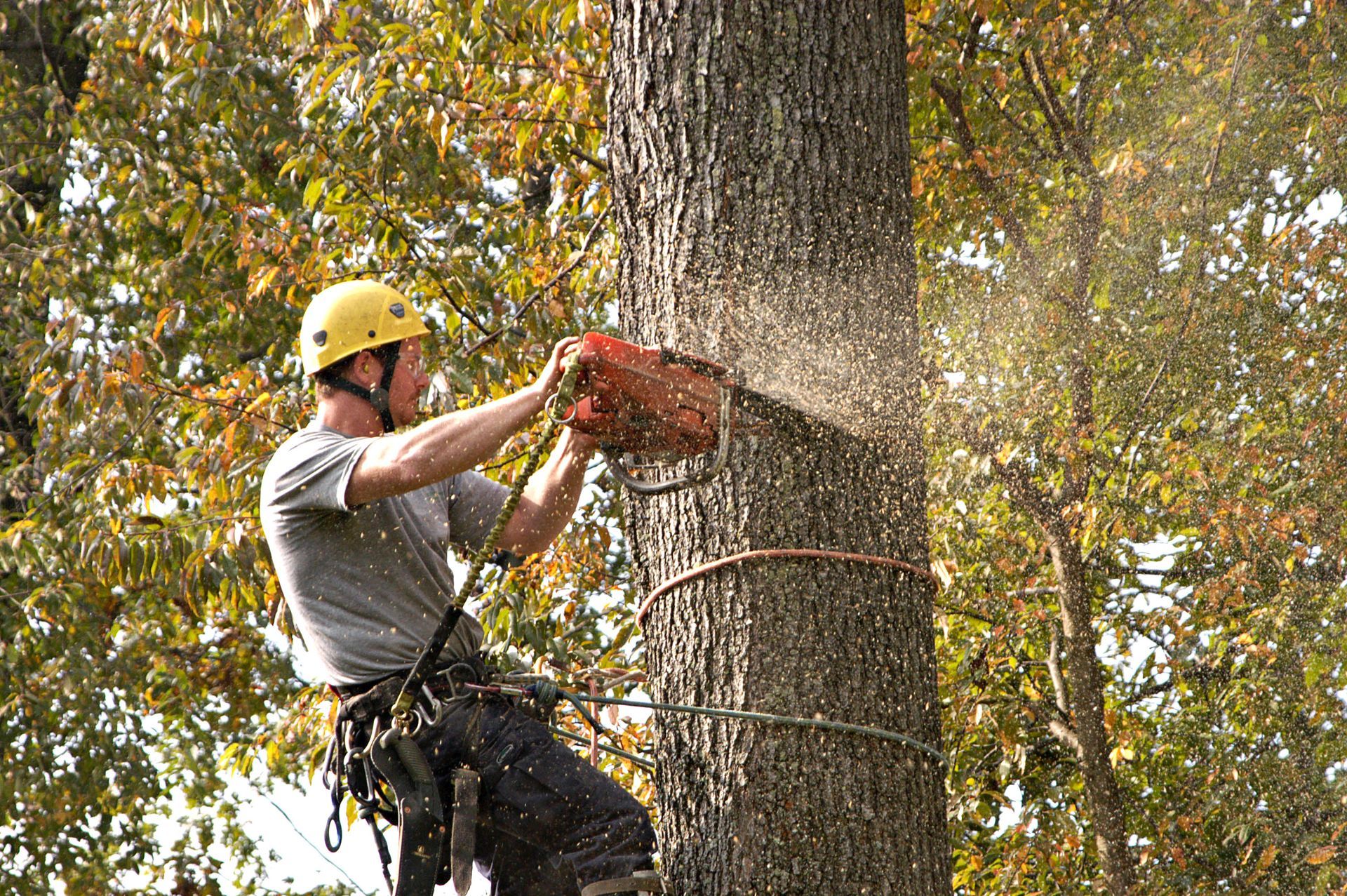
Executing the tree cutting itself involves a series of precise techniques tailored to the tree's size, location, and condition. Expert arborists may employ methods like topping, section felling, or complete dismantling, depending on factors such as nearby structures and tree stability. Advanced techniques include using cranes for controlled tree sectioning in constrained spaces, ensuring precision and safety. Each technique involves a strategic approach, balancing efficient removal with minimizing surrounding disturbances. Employing expert cutting techniques reduces risks and achieves desired outcomes without compromising on safety.
Post-Removal Clean-Up and Landscaping
The completion of tree removal includes an essential clean-up phase, ensuring the area is restored post-operation. This involves removing branches, logs, and debris, creating a clean and visually appealing landscape. Some services may offer optional landscaping solutions to redesign the area, accommodating new plantings or design features as desired. Efficient clean-up services uphold site aesthetics and prepare the land for future landscaping projects. Besides visual appeal, clean-ups are critical in preventing accidental hazards such as trip-and-fall situations from leftover debris.
Dealing With Stumps
Post-removal stump management is a key consideration to prevent potential regrowth and facilitate land use. Stump grinding is a common approach, mechanically reducing stumps to ground level or below, aesthetically reclaiming site surface space. Alternatively, chemical treatments offer solutions through accelerated decomposition, though they require longer time frames. Each method's suitability depends on factors like desired aesthetic outcomes, future site uses, and environmental considerations. Dealing with stumps effectively ensures long-term landscape sustainability and maximizes site usability.
Tree removal is a complex decision that requires balancing property safety, regulatory requirements, and environmental impact. While trees provide indispensable ecological benefits, addressing hazards or landscape needs through proper health assessments, legal compliance, and qualified professionals ensures the work is executed safely and responsibly. To get started with professionals you can count on, reach out to Cope Tree Service & Mulch Delivery. According to IBISWorld, there are more than 170,000 tree service companies in the United States, but not all of them can promise the decades of experience we offer!